
Camping 101: a preparatory list
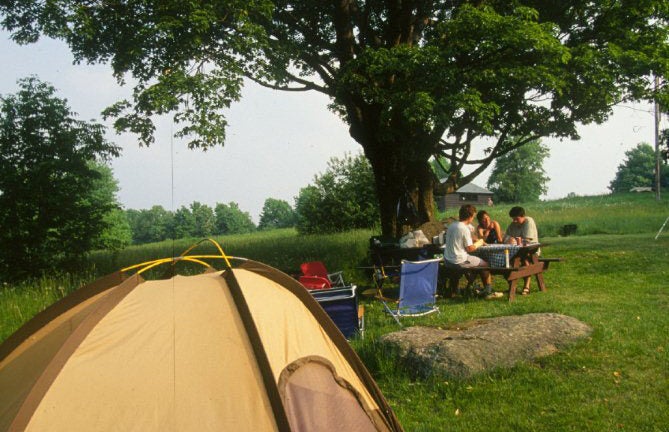
Mother Nature’s accommodations come with a different set of rules from, say, a swanky hotel. Greg Nikas of Newburyport found that out the hard way, when he woke up to a tent full of squirrels. The crazily chomping critters were attracted by the trail mix in his backpack. “It was pretty bizarre,’’ says Nikas, who now knows that food in a tent is a major no-no. “Definitely a lesson learned.’’ Here’s how to be a happy camper, culled from lessons we learned along the campground trail.
Using a new or borrowed tent, or maybe you haven’t had yours out for a few years? Do a test run at home. Better to perfect your tent-building teamwork strategy — and find out if something is missing — before you go.
Key items to bring include a tarp or ground cloth and a rug to put at the entrance of the tent to reduce tracked-in dirt. For comfort, bring a sleeping pad. (But not a swimming pool air mattress; they are noisy and slippery, and the air inside gets cold at night.) Don’t forget pillows. We also recommend head lamps (so your hands are free) and citronella candles. Resist the impulse to bring firewood from home; it’s not allowed at campgrounds, since it might spread invasive species.
Arrive early to get the lay of the land. Get to the campground well before dark, so you can set up the tent in daylight and cook dinner on the campfire. Visit the restrooms and wander around a bit, so surroundings will be familiar when darkness falls.
Lie down on the ground before you pitch the tent to check slope and feel for protruding rocks and other potential miseries.
To avoid guests of the furry persuasion, including bears, take advantage of the metal food lockers offered at some campgrounds. Clear your car of food wrappers, drink cans, even the crumbs in the baby seat. Never take food, or anything that smells like food, into your tent, including minty-fresh toothpaste, fruity soap, the clothes you cooked in. Keep food in air-tight containers and dispose of all waste scraps properly. Deter unsavory two-legged visitors by locking any valuables in the car while you are out exploring. Better yet, leave them home.
DIANE BAIR AND PAMELA WRIGHT



To comment, please create a screen name in your profile
To comment, please verify your email address
Conversation
This discussion has ended. Please join elsewhere on Boston.com