
Neil Diamond sells entire catalog to Universal Music
The musician behind ubiquitous hits like “Sweet Caroline” sold his songwriting rights and recordings in another major deal.
Bob Dylan. Bruce Springsteen. Paul Simon. Neil Young. Stevie Nicks. All have sold their music catalogs over the past year and a half for huge sums, part of a broad transference of the ownership of a generation’s music from artists to corporations and investors. But is there any big game left?
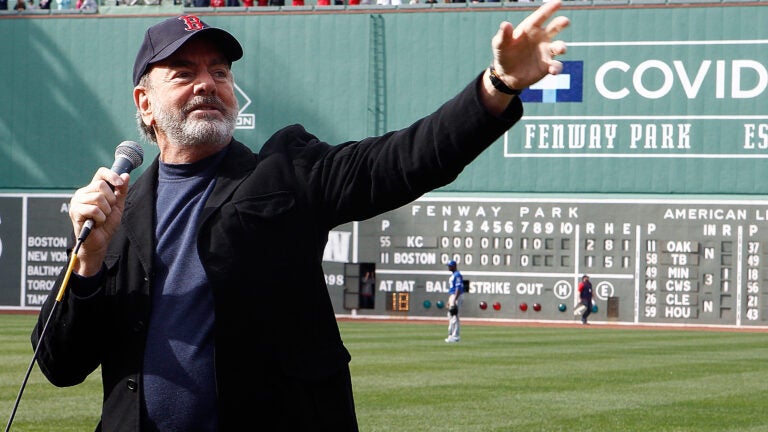
One giant was hiding in plain sight: Neil Diamond, 81, the singer and songwriter of ubiquitous hits like “Sweet Caroline,” “Song Sung Blue” and “Cracklin’ Rosie.” The Universal Music Group announced Monday that it had acquired the star’s entire songwriting catalog, as well as the rights to his recordings. Financial terms of the deal were not disclosed.
Diamond’s work as a songwriter is particularly valuable, not only for his own recordings but for the many cover versions of his songs that have become hits by other artists, like “I’m a Believer” by the Monkees, “Red Red Wine” by UB40 and Urge Overkill’s version of “Girl, You’ll Be a Woman Soon,” on the soundtrack to Quentin Tarantino’s “Pulp Fiction.”
The 1977 song “You Don’t Bring Me Flowers,” written by Diamond with Marilyn and Alan Bergman, had a notable double life. After Diamond’s solo version, Barbra Streisand covered it in 1978, and radio DJs stitched together a duet from those two recordings; an official edit was released later that year and went to No. 1.
In 2018, Diamond announced that he had Parkinson’s disease and was retiring from touring.
Universal’s deal for Diamond’s recordings includes 110 unreleased tracks, an unreleased album and archival videos. The company will also release any new music that Diamond records, according to its announcement.
Like Universal’s recent acquisition of Sting’s songwriting and recording rights — or Sony’s deal for Springsteen — the Diamond deal unites both sides of a top artist’s work with a single company. The copyrights for recordings and songwriting, otherwise known as music publishing — which cover the lyrics, melodies and basic structural elements of any composition — are separate.
In a statement, Diamond praised Universal’s leaders, including CEO Lucian Grainge, and said he was confident that the company would “continue to represent my catalog, and future releases with the same passion and integrity that have always fueled my career.”
This article originally appeared in The New York Times.



To comment, please create a screen name in your profile
To comment, please verify your email address
Conversation
This discussion has ended. Please join elsewhere on Boston.com