
Natural bug repellents more effective than DEET, report finds
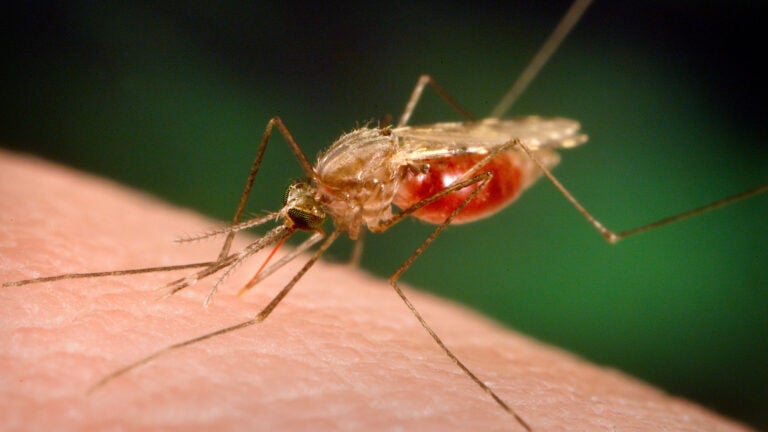
Ask anyone who has grown up in the suburbs fighting off mosquitoes every summer, and chances are they’ll say this age-old adage to picking a bug spray:
The stronger that artificial smell, the more effective the product.
Indeed, the smell we equate with most bug sprays comes from a mixture of harsh chemicals including N, N-diethyl-meta-toluamide, commonly known as DEET. For years, DEET has been the gold standard ingredient to prevent insect-related diseases including Lyme disease, West Nile virus, malaria, and chikungunya.
But a new investigation by Consumer Reports published Wednesday found—for the first time ever in the product-testing group’s history—the most effective insect repellents do not rely on the harsh chemical DEET.
Researchers tested 15 pump sprays and aerosols with ingredients that included DEET, oil of lemon eucalyptus, picaridin, a chemical called IR3535, along with products made with natural plant oils.
To test the products, researchers applied a different repellent to the arms of testers.
Thirty minutes later, the brave testers—which they appropriately called the “swat team’’—reached into a cage of 200 blood-thirsty mosquitoes for 5 minutes every hour.
A repellent failed if tester’s arm was bitten at least twice within a 5-minute session, or if they were bitten at least once in two consecutive sessions.
The testers weren’t done yet.
The reserachers then applied three lines of the product on their arms, then released five ticks to crawl on each. The repellent failed if two ticks crossed into the treated area.
The researchers found that the most effective products listed picaridin and oil of lemon eucalyptus as the active ingredients (which means the products had at least 20 percent of the former and 30 percent of the latter).
According to Consumer Reports, the top products were Sawyer Fisherman’s Formula and Repel Lemon Eucalyptus, both of which offered protection against mosquito and tick bites for eight hours and seven hours, respectively.
But consumers shouldn’t write off DEET-containing products completely. The Centers for Disease Control and Prevention still lists DEET as an ingredient that provides long-lasting protection. While the chemical—known to irritate some skin types—has been scrutinized for its long-term side effects, the Environmental Protection Agency maintains it “has not identified any risks of concern to human health.’’
Repel Scented Family (15 percent DEET) and Off! Deepwoods VIII (25 percent DEET) made the report’s “recommended’’ list.




To comment, please create a screen name in your profile
To comment, please verify your email address
Conversation
This discussion has ended. Please join elsewhere on Boston.com