
Sign up for Book Club
Stay up to date on local books news, events, and recommendations from Boston.com.
To many, the library is just a place to check out and return books. In reality, they’re one of the most critical public services offered in our communities, providing education, entertainment, and more for people everywhere. Did you know that the Boston Public Library was originally in a former schoolhouse on Mason Street that opened to the public on March 20, 1854, but quickly moved due to an influx in book inventory? There’s so much rich history to be explored.
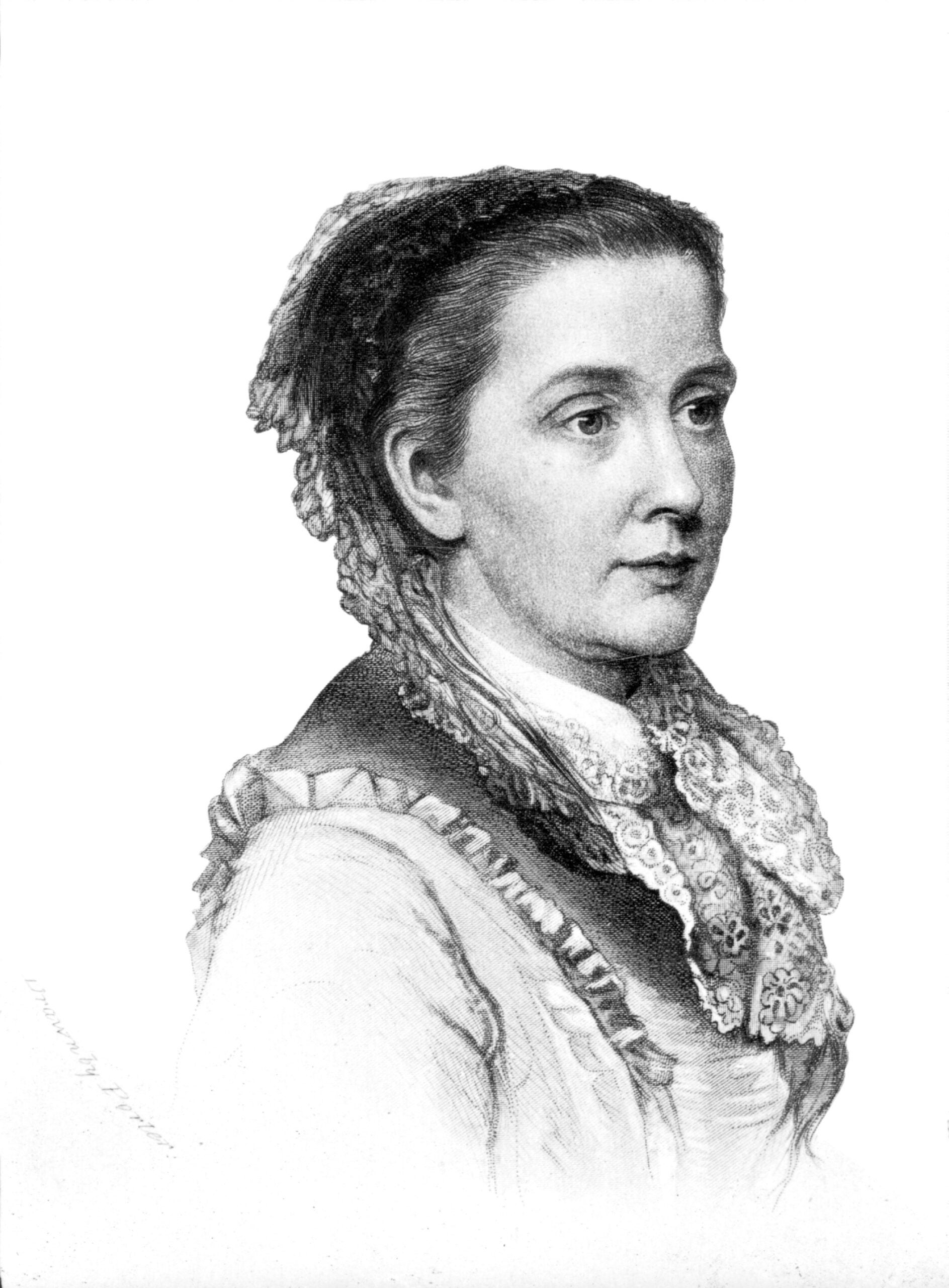
The Elliott Room, located on the second floor of the BPL, came to be when John Elliott got the commission, in part because he was the son-in-law of Julia Ward Howe, a prominent Bostonian author and poet. Elliott’s wife, Maud, stewarded both her mother’s and her husband’s legacies through gifts to the BPL.
The BPL, opened in 1848, was the first large, free municipal library in the United States, the first public library to lend books, the first to have a branch library, and the first to have a children’s room.
In fact, a French ventriloquist named M. Nicholas Marie Alexandre Vattemare was the first outspoken advocate for the idea of a public library in Boston when he proposed the idea of a book and prints exchange between American and French libraries.
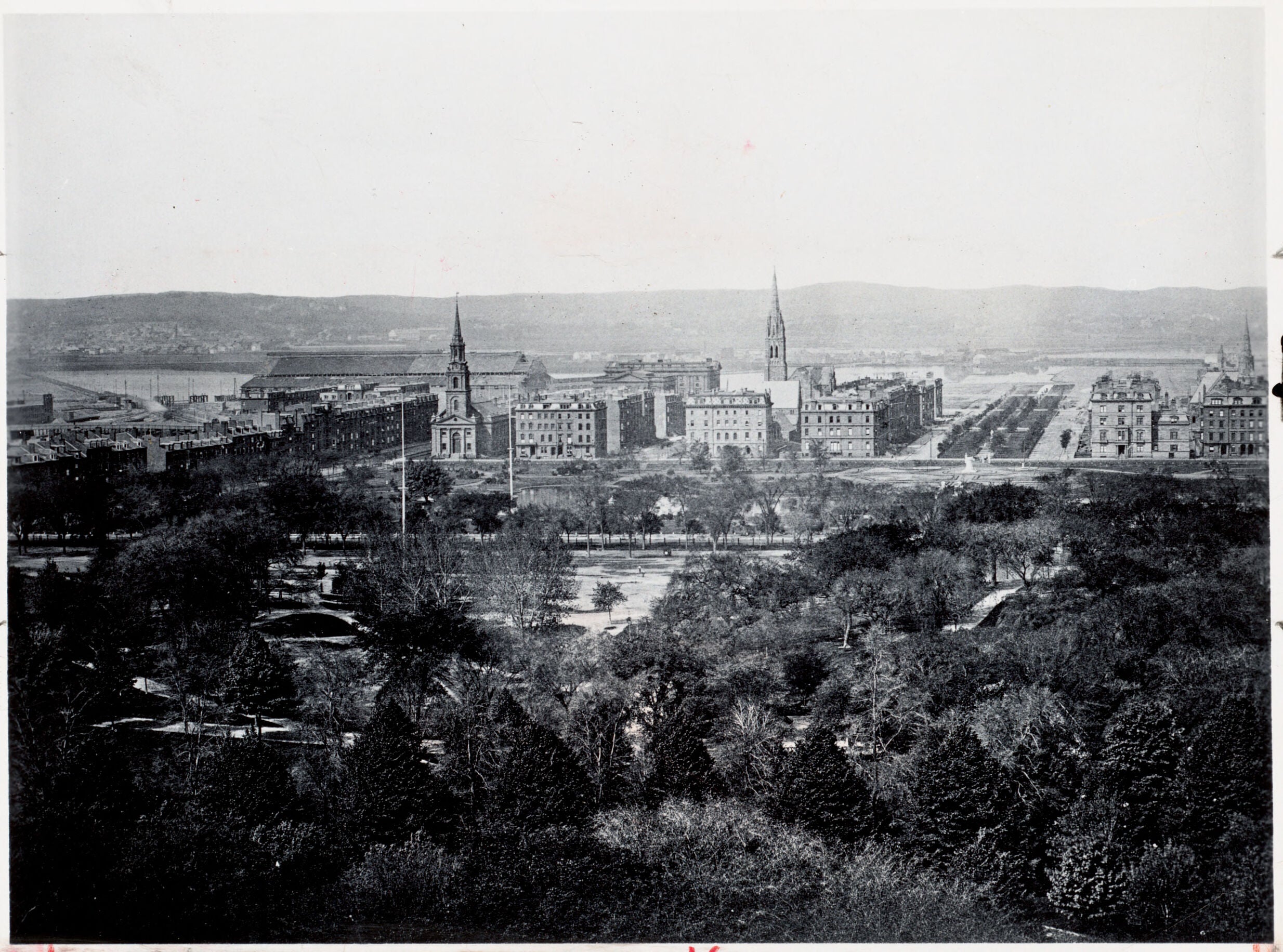
Once a swamp used for milling operations, Back Bay is now a cultural hub of the city, featuring the BPL, Copley Place, Prudential Center, Trinity Church, and more. Even though legislative development began as far back as 1814, the wetlands were not filled in until 1857, taking until 1900 to complete.
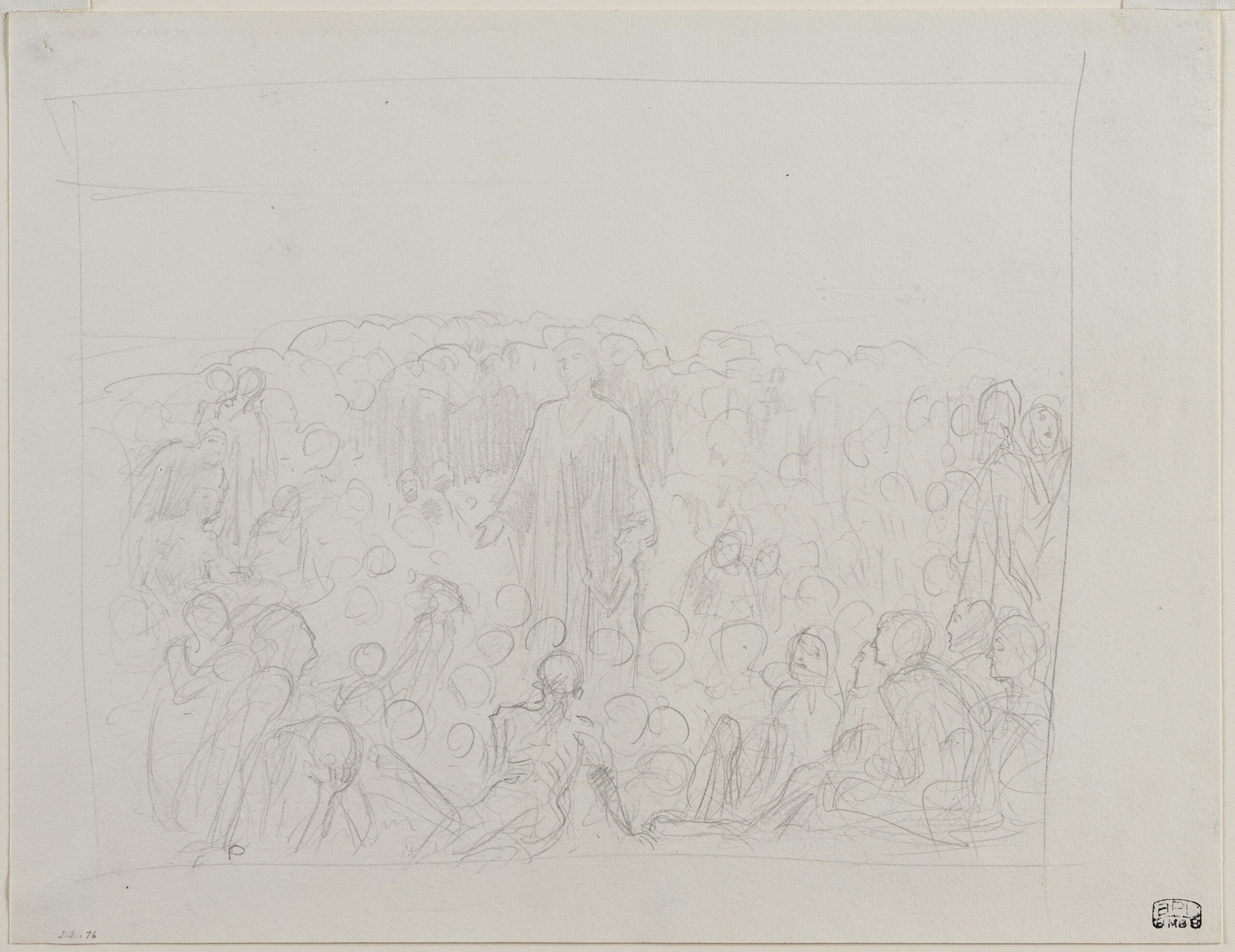
On the third floor of the McKim building, you can find the John Singer Sargent’s “Triumph of Religion.” This mural cycle took Sargent 29 years to execute and details his studies of Paganism, Judaism, and Christianity, all of which were controversial topics at the time. The final painting, “Sermon on the Mount,” could never be completed, resulting in the blank panel we see today.
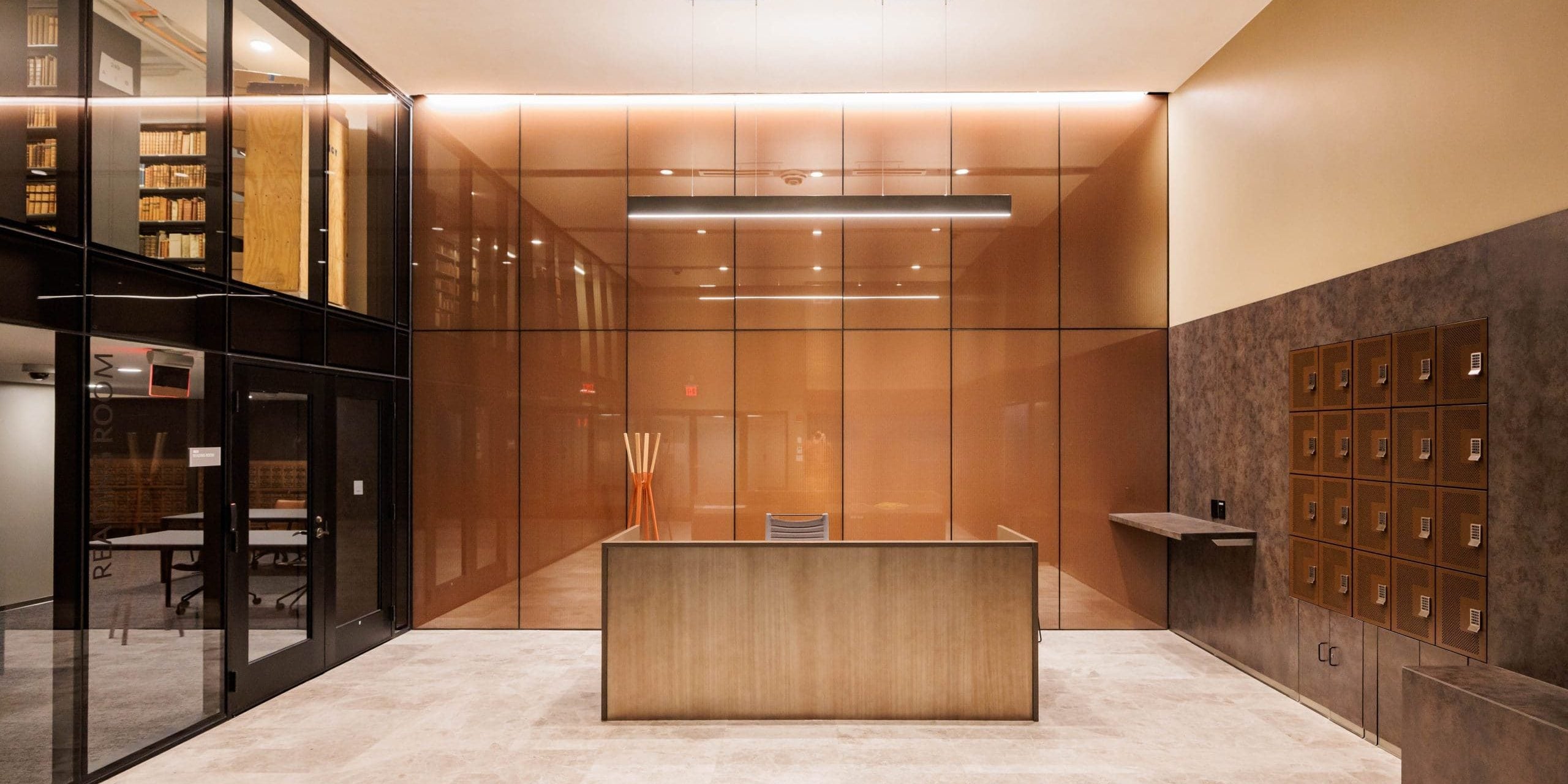
To access historical documents, you don’t need academic or press credentials. All you have to do to explore this widespread collection of Bostonian and American history is make an appointment.
The next time you pick up your newest read, look around for a bit, look for these fun pieces of trivia, and relish in the history surrounding you.

Stay up to date on local books news, events, and recommendations from Boston.com.



To comment, please create a screen name in your profile
To comment, please verify your email address
Conversation
This discussion has ended. Please join elsewhere on Boston.com