Sex, spies, and classical music: The BSO scandal you’ve never heard of
One hundred years ago, one of the world’s top conductors was ensnared in a scandal involving patriotism and sex. It almost toppled Boston’s famed orchestra.
PRELUDE: THE MAJOR
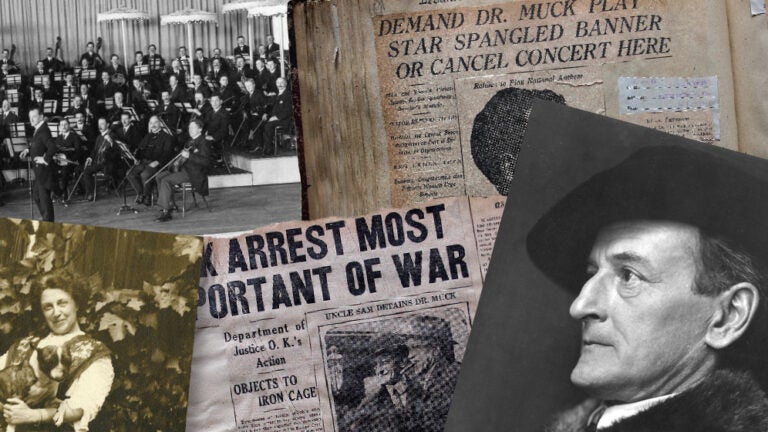
The wire from Rhode Island came on a day when Henry Lee Higginson had no time for it. In addition to being the founder of the Boston Symphony Orchestra, and pretty much its only benefactor, Higginson was an aristocrat in high demand. He was scrambling to attend to a dozen different matters before he and his orchestra boarded the afternoon train to Providence for their first out-of-state performance of the 1917-1918 season.
It was the day before Halloween, and although Higginson was just a few weeks shy of his 83d birthday, he was as busy as ever. In business, he was a partner in the successful brokerage firm that bore his family name. In philanthropy, he was one of Harvard’s most important donors — unusual for a college dropout — having given the university, among many other gifts, 31 acres that became Soldiers Field. Most of all, he was consumed by his work with the Boston Symphony Orchestra, the passion project that he had begun plotting decades before he managed to create it in 1881.
The orchestra’s unflappable manager, Charles Ellis, handed the telegram to Higginson. Just about everyone referred to Higginson as “Major,’’ a title that sprang from his service in the Union Army during the Civil War. He’d actually been promoted from major to lieutenant colonel before the war was done. But there was an older Higginson cousin in Boston whom everyone called Colonel, so Major it was. Higginson’s embrace of a title that shortchanged his actual rank was in keeping with a lifelong reputation for modesty.
Sporting spectacles and a bushy gray Vandyke, Higginson read the telegram and contemplated whether to bother his conductor about it. The leaders of nine ladies’ clubs in Rhode Island had wired their request for the BSO to perform “The Star-Spangled Banner’’ during its concert in Providence that evening. Ever since the United States had declared war on Germany nearly seven months earlier, military boosters had been stepping up their demands for patriotic displays at events where they hadn’t previously been considered appropriate.