
11 Ways to Indulge on Thanksgiving—Without Feeling Sick
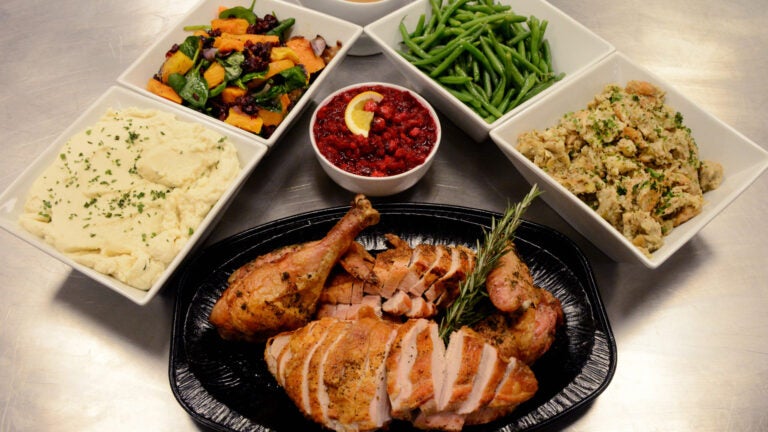
Ah, Thanksgiving. The one day of the year when you can stuff yourself like a pig and no one will judge you for it…except for that one pair of evil, tight pants. But don’t let the invention of elastic waistbands excuse you from making this Thanksgiving healthier than last year’s. Boston.com asked two registered dietitians about the best ways to fill up without going over the top.
1. Eat before you eat. “If you’re eating at five, don’t starve yourself all day long,’’ said Alicia Romano, a dietician who works at Tufts Medical Center. “This will hurt your metabolism more than anything else.’’ We all know that breakfast is the most important meal of the day, and this rings true even on Thanksgiving. Those who skip it are more likely to consume foods that are higher in fat and sugar (so you’ll probably ignore the salad for an extra helping of buttery potatoes).
2. Don’t nap between dinner and dessert. Understandably, heartburn is more likely to occur on Thanksgiving than usual. It’s also a time when people like to take tryptophan-induced, post-meal naps. Research has proven, however, that lying down worsens the pain of heartburn. Kate Sweeney, manager of the Nutrition and Wellness Center at Brigham and Women’s Hospital, said to try to stay upright. Move around and socialize, or help clean up in the kitchen.
3. Eat slowly and chew your food. “This helps with gas, bloating, and heartburn,’’ Sweeney said. Not to mention it will give your brain enough time to get the signal that you’re full. Some studies show that for those who eat too quickly, the hormonal cross-talk system might not have enough time to convey the message.

4. Eat the healthiest foods first. At the start of the meal, Sweeney recommends eating veggies then protein before carbs. This ensures filling up on nutrients before the foods with higher fat content. Bonus: those who eat vegetables before carbohydrates often have lower blood sugar levels. Keeping vegetables first in line at dinnertime will lead to a decreased risk of diabetes over time.
5. Fit in fiber. “Try and balance for adequate digestion [with] green beans or Brussels sprouts,’’ Romano said. Research shows that dishes with fiber also help maintain a healthy weight and lower the risk of diabetes and heart disease. Fiber-filled foods should be incorporated into Thanksgiving — and regular meals.

6. Eat on smaller plates. Sweeney said that this will help prevent overeating. Not only will there be less space to load up with food, but you might also realize that you don’t need as much food after all. This is because larger plates can make servings appear smaller, while small plates make the same quantity of food appear to be larger. Studies show that people who eat out of larger bowls or plates can consume up to 16 percent more than those who eat out of smaller dishes.
7. Give yourself enough time to digest. Romano recommends finishing your meal at least three hours before bedtime. Studies show that if you eat within those final hours before bed you’re much more likely to suffer from heartburn, and have a harder time falling asleep.

8. Practice mindful eating.The best way to do that? Take your time. “Put your fork down between bites, engage in conversation,’’ Romano said. Mindless eating often leads to eating too much, eating the wrong foods, or both. Since Thanksgiving and the delicious food that comes with it only come around once a year, try and take this time to appreciate the good food.
9.Don’t eat until you feel sick. Romano suggests sticking to satiety over fullness. Many nutritionists say the baseline for filling up is to aim to be 80 percent full. Complete fullness is especially unnecessary for Thanksgiving dinner, when dessert is right around the corner.

10. Keep portions small. “Have the mindset where you try everything but don’t eat anything,’’ Romano recommends. Meaning: have a taste of every dish but don’t pig out on everything. We’ve already discussed a number of problems with overeating, but let’s not forget that a “food hangover’’ is one as well. Eating too much fat (easy to do with what is served at Thanksgiving), causes blood to flow to the digestive system rather than the brain. This will leave you feeling more tired than usual. Try and make it easier on your system by controlling the amount that you eat.
11. Cook with healthy oils. Swap out butter for alternatives when you can. “I would really recommend cooking with olive oil, canola oil, and walnut oil,’’ Sweeney said. These oils are rich with healthy fats, which prevent increased cholesterol. And olive oil has an extra edge by being rich in antioxidants. Even though we know Paula Deen would disagree, it’s best to keep butter to a minimum when making a Thanksgiving meal.




To comment, please create a screen name in your profile
To comment, please verify your email address
Conversation
This discussion has ended. Please join elsewhere on Boston.com