
Do You Know How Ebola Is Spread?
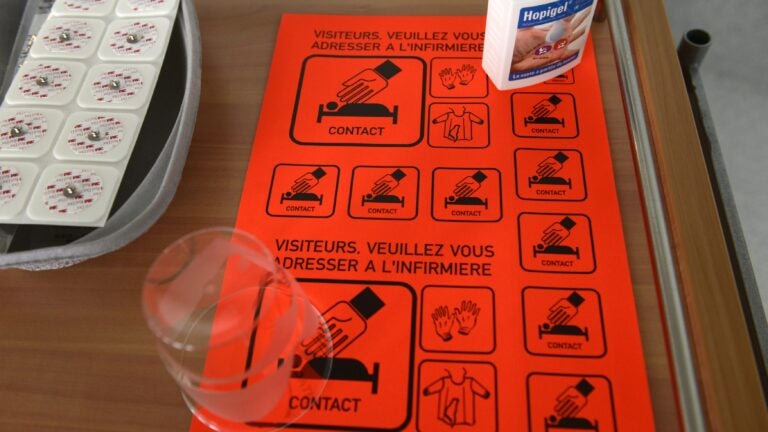
Boston.com asked people around the city “How do you get Ebola?’’ Although we expected confused responses, we were surprised and somewhat relieved at the half-way accurate answers we received. Ebola is spread through direct contact with an infected person’s bodily fluids while they are contagious (displaying symptoms of Ebola). It is not possible to get Ebola through the air, water, or food—though some Bostonian residents and visitors might think so.
Even if someone has been exposed, symptoms may appear in as little as two days, and as many as 21 days, after exposure. The CDC says the average is 8 to 10 days.
Ebola symptoms:
-Fever (greater than 38.6°C or 101.5°F)
– Severe headache
– Muscle pain
– Weakness
– Diarrhea
– Vomiting
– Abdominal (stomach) pain
– Unexplained hemorrhage (bleeding or bruising)
Massachusetts state public health officials have said that the likelihood of contracting Ebola in the state is very low. Need more details? Here’s an MGH physician dropping some knowledge for you.





To comment, please create a screen name in your profile
To comment, please verify your email address
Conversation
This discussion has ended. Please join elsewhere on Boston.com