
2nd New Hampshire Person Dies From EEE
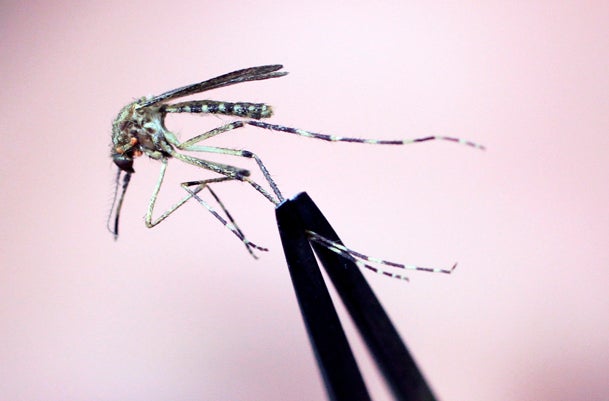
The New Hampshire Department of Health and Human Services (DHHS) has confirmed that a Manchester, N.H. adult died from Eastern Equine Encephalitis (EEE) in mid-September. EEE is contracted after someone is bitten by an infected mosquito. This is the third person to contract EEE in New England and the second person to die from the infection this season.
“Our sympathies are with the family of this individual as they grieve the unfortunate death of their loved one,’’ said DHHS Public Health Director Dr. José Monterow in a prepared statement. “It is important that everyone in New Hampshire remember to continue to take steps in order to prevent mosquito bites to themselves and their loved ones until the season ends with a hard frost.’’
Those infected with EEE will likely show symptoms 4-10 days after having been bitten by an infected mosquito. Symptoms are flu-like, such as fever, headache, stiff neck and sore throat. EEE has a high mortality for those who contract the disease and has been found in two animals and 18 mosquito tests this year. A woman from Conway, N.H. was the first death from the disease at the end of September.
Health officials are urging people to take proper precautions against bites including spraying mosquito repellant, wearing long sleeves and pants at dawn and dusk during high mosquito activity, removing standing water near your home, and checking to make sure all doors and windows are properly closed.
For more information about EEE and West Nile Virus visit the DHHS website.








To comment, please create a screen name in your profile
To comment, please verify your email address
Conversation
This discussion has ended. Please join elsewhere on Boston.com