

Sign up for the Today newsletter
Get everything you need to know to start your day, delivered right to your inbox every morning.
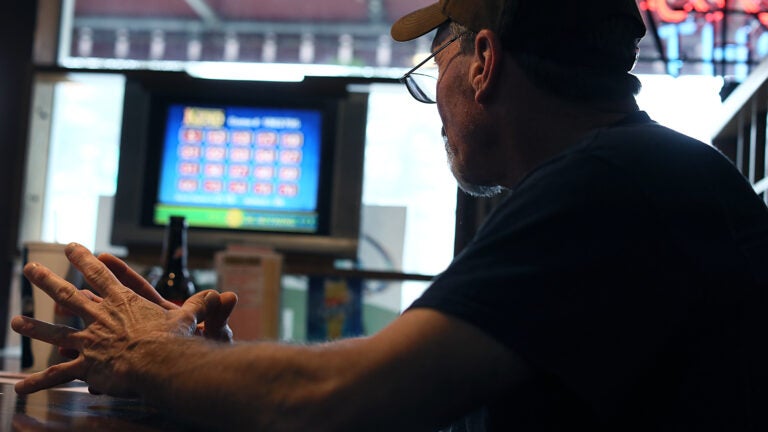
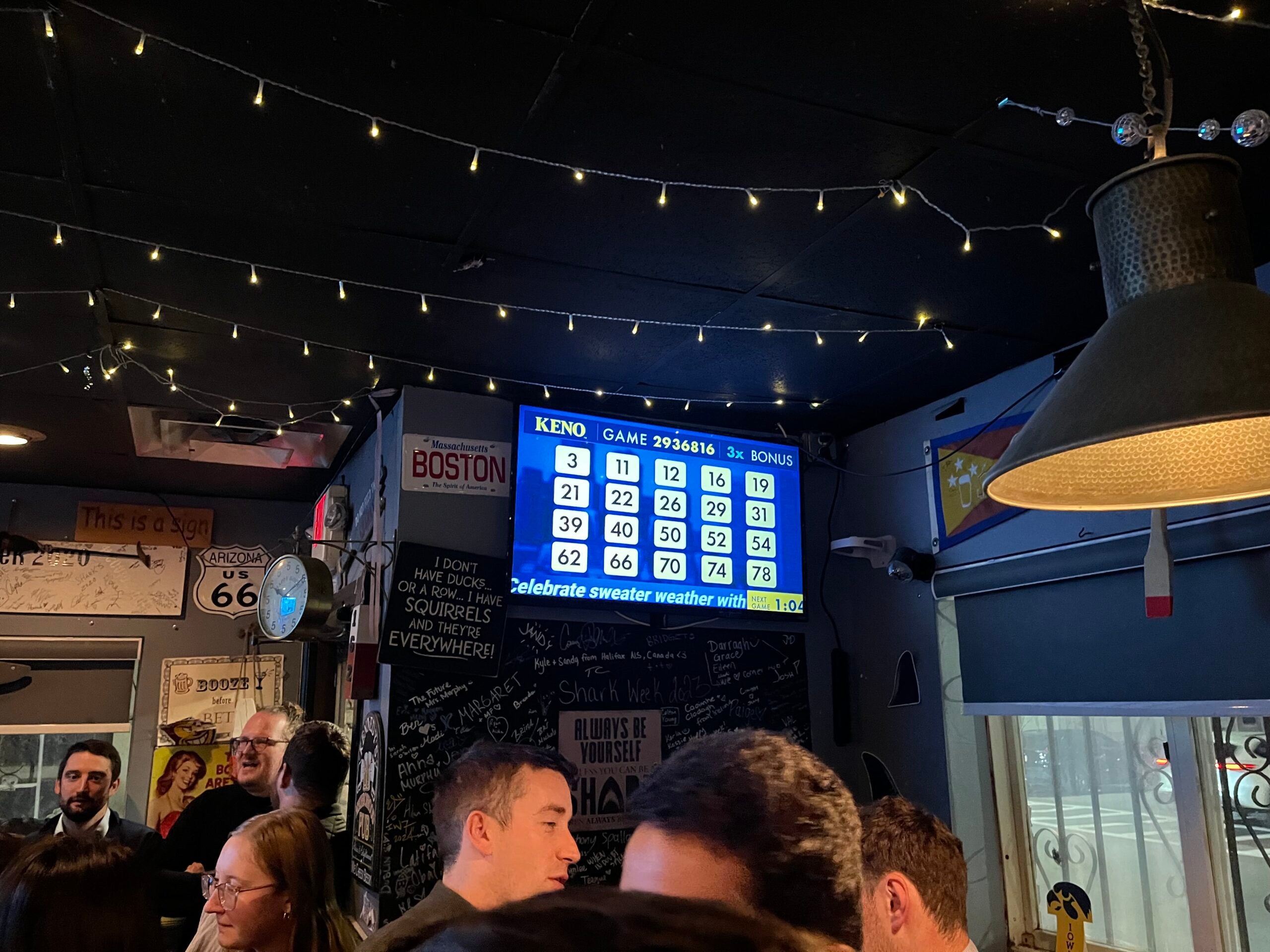
Walk into any dive bar in Massachusetts, and chances are you’ll spot it immediately: a glowing Keno monitor in the corner, displaying the latest draw numbers. It’s as much a part of the local bar landscape as cheap beer and sticky floors.
One Boston-area Reddit user summed up the atmosphere while looking for the “dirtiest dive bar with a lottery machine and working Keno screen,” the kind of place where “you don’t ask questions when you realize the bathroom sink is broken and the chef just came out before you.”
For many regulars, that’s exactly the appeal — a low-stakes gamble while sipping a cold beer and friends to celebrate with if your numbers hit.
Massachusetts leads the nation in Keno sales, with residents spending more than $1.28 billion on the game this year alone — roughly 21% of the state lottery’s total revenue. There are over 7,000 licensed Keno agents across the state, including 2,300 bars and restaurants.
But why is Keno so ingrained in Massachusetts culture?
Keno is a fast-paced, lottery-style game where players pick numbers between 1 and 80. Every three minutes, 20 numbers are drawn. The more numbers you match, the bigger the payout, with the most popular bet being a five-number “spot” that pays out $450 for a $1 wager.
Massachusetts State Lottery first launched the game in September 1993. It was initially limited to bars and restaurants, which were required (and still are) to obtain a Keno license to sell the game.
While the game has remained largely unchanged since its introduction, it has undergone a few updates:
Keno has since become one of the most successful lottery products the state offers. “We are the most successful in the country, significantly, in Keno,” said Mark William Bracken, Executive Director of the Massachusetts State Lottery.
For many, Keno is more than just a game — it’s a social experience. The thrill of playing your lucky numbers, the quick pace, or the sense of camaraderie that comes from sharing the moment with friends or strangers, there’s something undeniably appealing about it.
Sarah Leib, general manager of the Silhouette Lounge in Allston, has seen firsthand how Keno has evolved over the years at her bar.
“It used to be very popular … with an old timer crowd,” she told Boston.com. “But unfortunately, during the pandemic, we lost a lot of those old timers.”
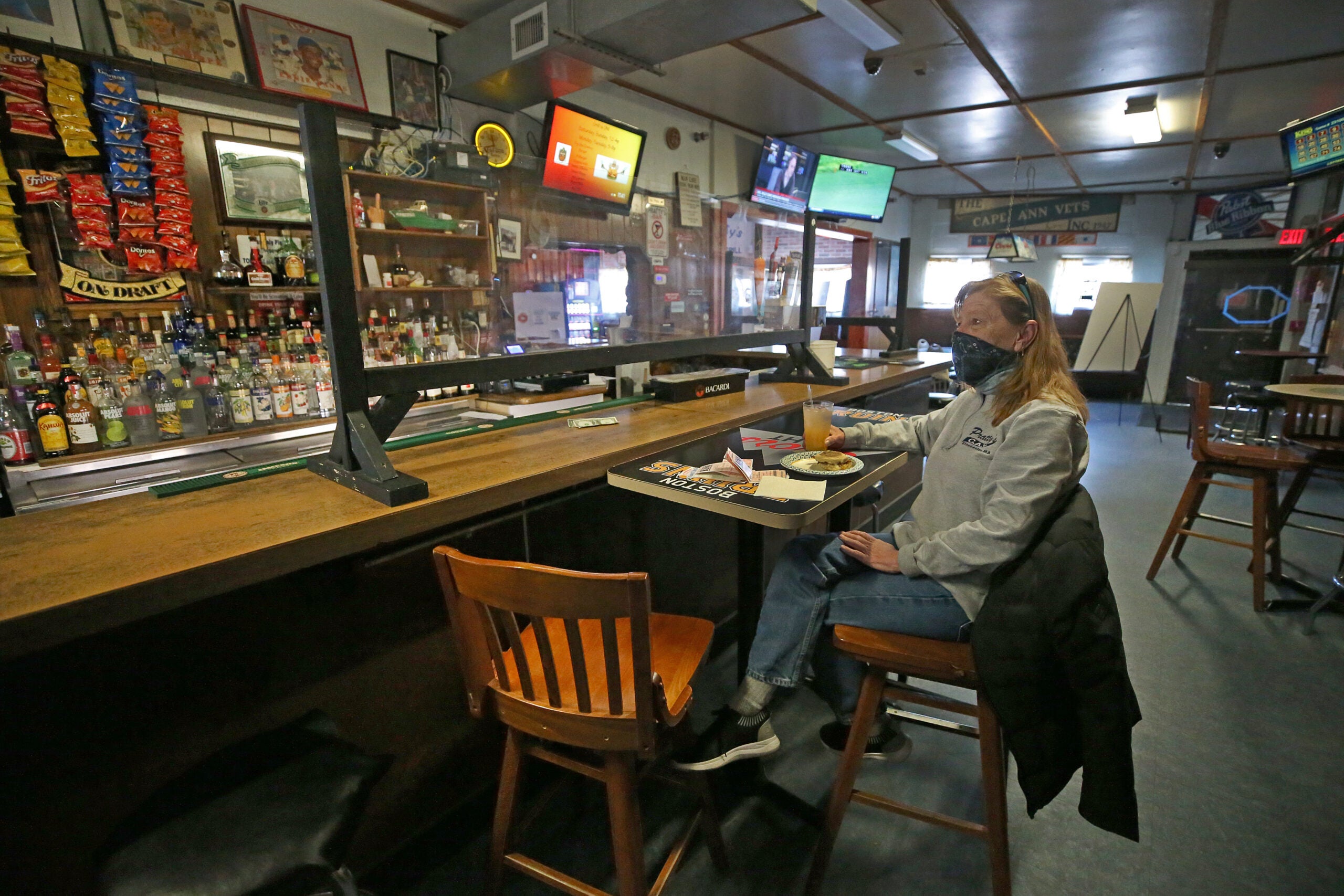
Still, Leib notes that Keno remains a consistent presence in her bar, especially for those who enjoy its rapid-fire results.
“It’s immediate gratification gambling,” Leib said. “If you do Megabucks, you have to wait a week to find out. With Keno, you find out in two minutes.”
Pamela Chin, owner of the Corner Pub in Boston, agreed that the speed of Keno is a big draw, in addition to the community it nurtures. She said at least half – “if not more” – of her customers are playing Keno on any given night.
“It brings groups of people together. When someone wins, everyone’s happy,” Chin said.
Keno is not a huge money-maker for business, according to Leib and Chin. Keno agents earn a 5% commission on sales and 1% on payouts.
“It’s more of a hassle, and I certainly don’t feel good about the money we make off it,” Leib said.
That said, Keno has a unique ability to draw in customers, whether they’re seasoned players or newcomers looking for a quick thrill. For Chin, the most rewarding part of having Keno in her bar is the sense of connection it fosters among patrons.
Even with growing gambling competition in Massachusetts — from sports betting to casinos, Keno remains a staple of the local bar scene.
“If even a random person wins, they end up buying people drinks, strangers will be giving each other high fives,” Leib said.
The payouts aren’t always life-changing, but there’s still a communal thrill about the game that keeps people coming back for more.

Get everything you need to know to start your day, delivered right to your inbox every morning.



To comment, please create a screen name in your profile
To comment, please verify your email address
Conversation
This discussion has ended. Please join elsewhere on Boston.com