
Sign up for the Today newsletter
Get everything you need to know to start your day, delivered right to your inbox every morning.
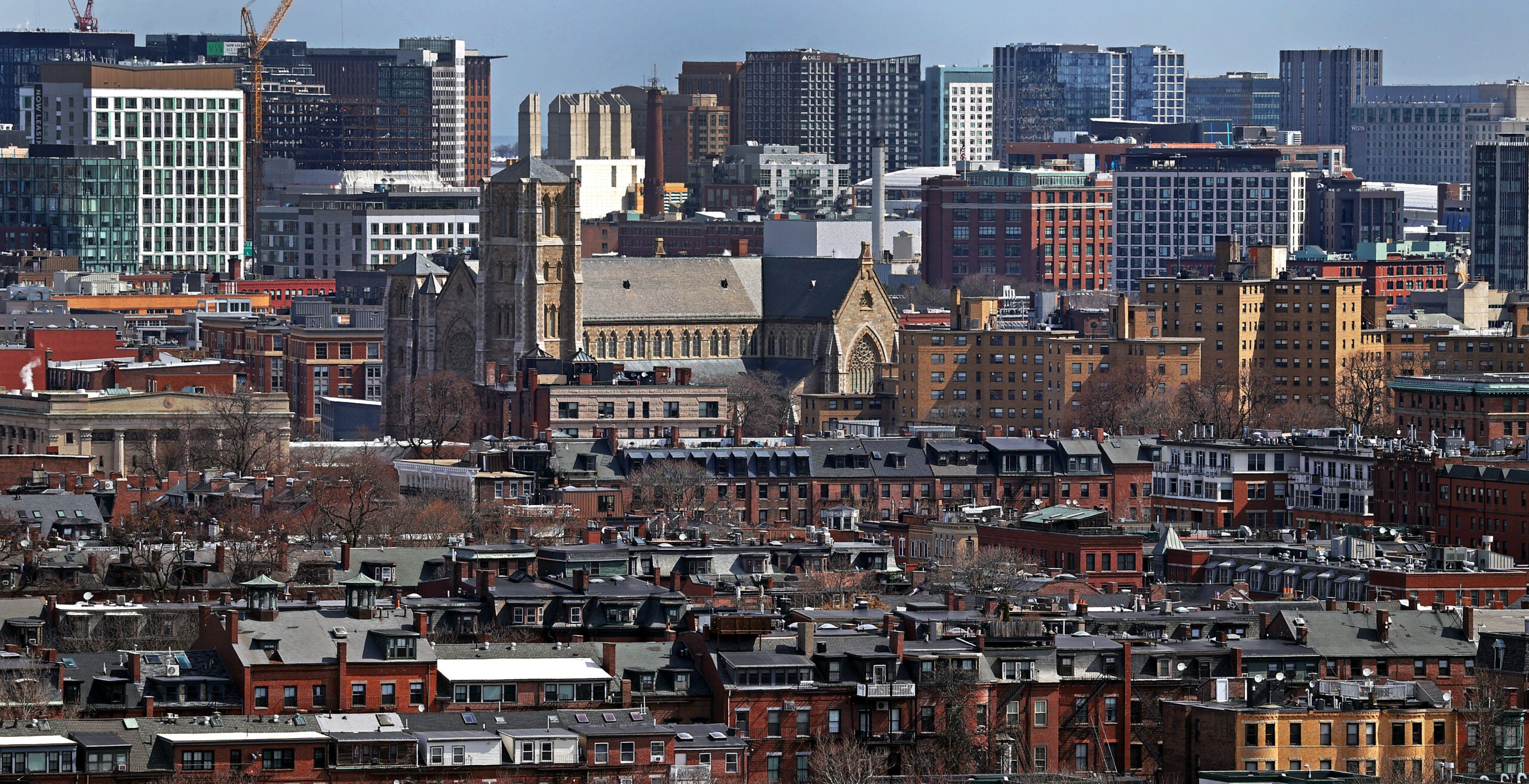
While their names might confuse newcomers, longtime Bostonians know the South End and South Boston could not be more different.
But historian Anthony Sammarco, who has authored over 75 books about the history of Greater Boston, thinks the two have more in common than many might realize. The neighborhoods were designed around the same time and both had similar trajectories in terms of an influx of immigration in the 1800s and 1900s, with soaring prices and gentrification going into the 2000s. And, of course, both are relatively south of Downtown Boston.
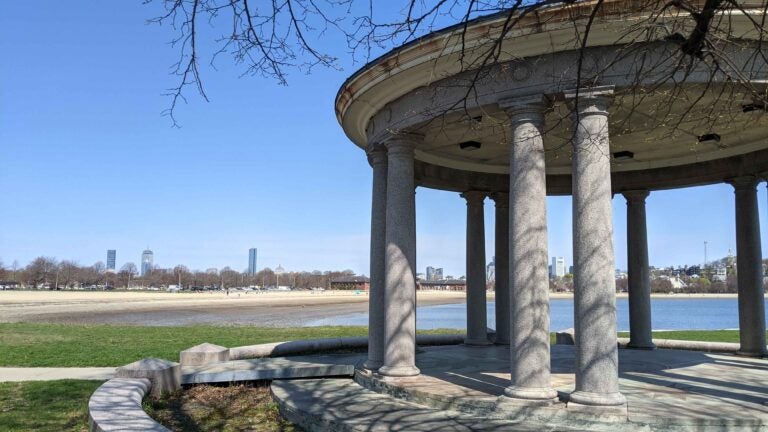
Geographically, South Boston — or Southie — is located southeast of Downtown Boston, while the South End lies more directly south. South Boston was established first, in 1804, after being separated from the town of Dorchester. Its southern location inspired its name.
The City of Boston renamed Dorchester Neck South Boston because it projected into the harbor, Sammarco said. “They called it South Boston, but there was no real thought about it.”
The South End followed in 1840 as a new, planned residential area. “The South End, of course, got its name because it was south,” Sammarco said.

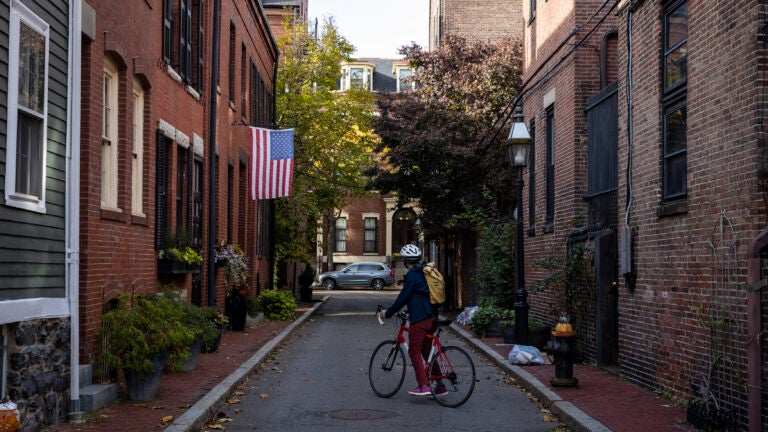
South Boston began as both a residential and commercial area, with iron foundries, shipyards, and machine shops in 1804. The blue-collar area, one of the few planned neighborhoods in Boston, attracted residents from Boston and greater New England due to its thriving industries. Many streets were named after letters, and the neighborhood expanded as infilled land made room for churches, residences, and local commerce. By 1855, it had more dwellings than any other neighborhood in Boston. Irish immigration fostered a large Catholic population whose influence still remains in the area.
“From the 19th century on, you began to see this overlay of different ethnic groups that lived in a newly planned neighborhood,” Sammarco said.
Demographics have changed in the 21st century and the neighborhood has gentrified in several aspects, including the rapid development of Seaport, which is considered within South Boston.
“When people look at South Boston [now], if one knows nothing about its history, today they think of an upbeat, affluent, young group of people, condominiums, and Seaport. You begin to see it as something that’s an aspect of Boston’s glory,” Sammarco said. “Fifty years ago, it was something that was a real hard-working, blue-collar neighborhood of people that not only live there, but work there.”
Sammarco enjoys walking around the neighborhood and admiring the architecturally unique buildings that have “never really been changed.” He calls the area a “fascinating glimpse into the 19th century.”
The City of Boston refers to the neighborhood as having “a strong sense of history and tradition.”
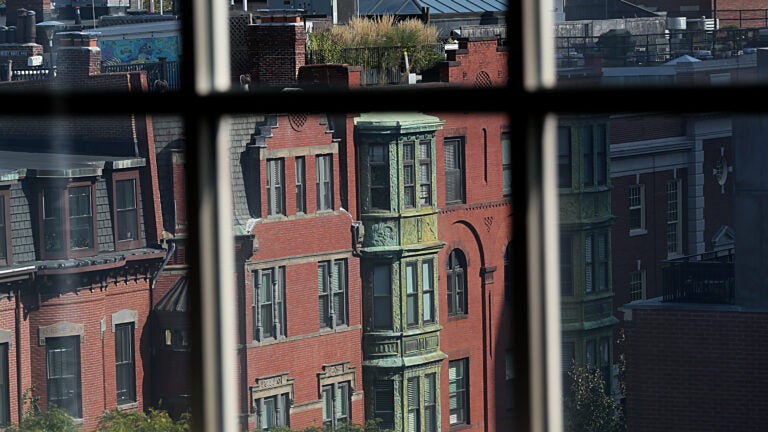
First designed in 1840 on top of a former tidal marsh, the residential neighborhood was always meant to be elegant. The South End is known for its “London-type” layout and its Victorian row houses, many of which were designed by Nathaniel J. Bradlee. It was zoned in order for the facade houses to share height, slate roofs, and red brick. The South End originally referred to the southern edge of Boston’s financial district, but after the area known as the Neck — now Washington Street — was filled in, the city gave it a new name.
While originally intended for wealthier residents, after the Great Fire of 1872 and the financial panic of 1873, the row houses of the South End sold for far less of their original value. By the 1880s and 90s, the neighborhood had become home to mostly lower-income immigrant communities, and many houses had become boarding or lodging houses. By the 1970s, redevelopment and gentrification had displaced low-income residents, including Black and immigrant populations.
Sammarco described the neighborhood as “one of the most hip, most chic places to be” from the 1970s to 90s. “In that instance, its thriving aspect is really due to not only the Hispanics and the African Americans, but also the gays and lesbians,” he said.
Today, Sammarco says the neighborhood demographics have changed once again, this time with more young families. “What’s happened today is the neighborhood became economically viable.”
The City of Boston calls the neighborhood “cosmopolitan” and “one of the City’s most popular neighborhoods.”
Get everything you need to know to start your day, delivered right to your inbox every morning.




To comment, please create a screen name in your profile
To comment, please verify your email address
Conversation
This discussion has ended. Please join elsewhere on Boston.com