
Sign up for The Dish
Stay up to date on the latest food and drink news from Boston.com.
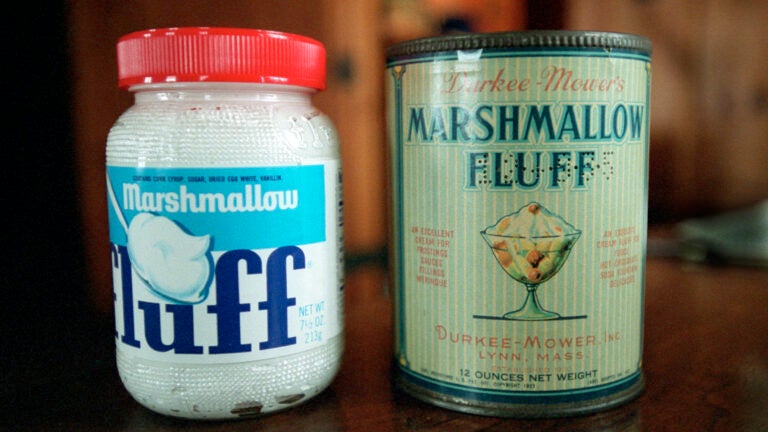
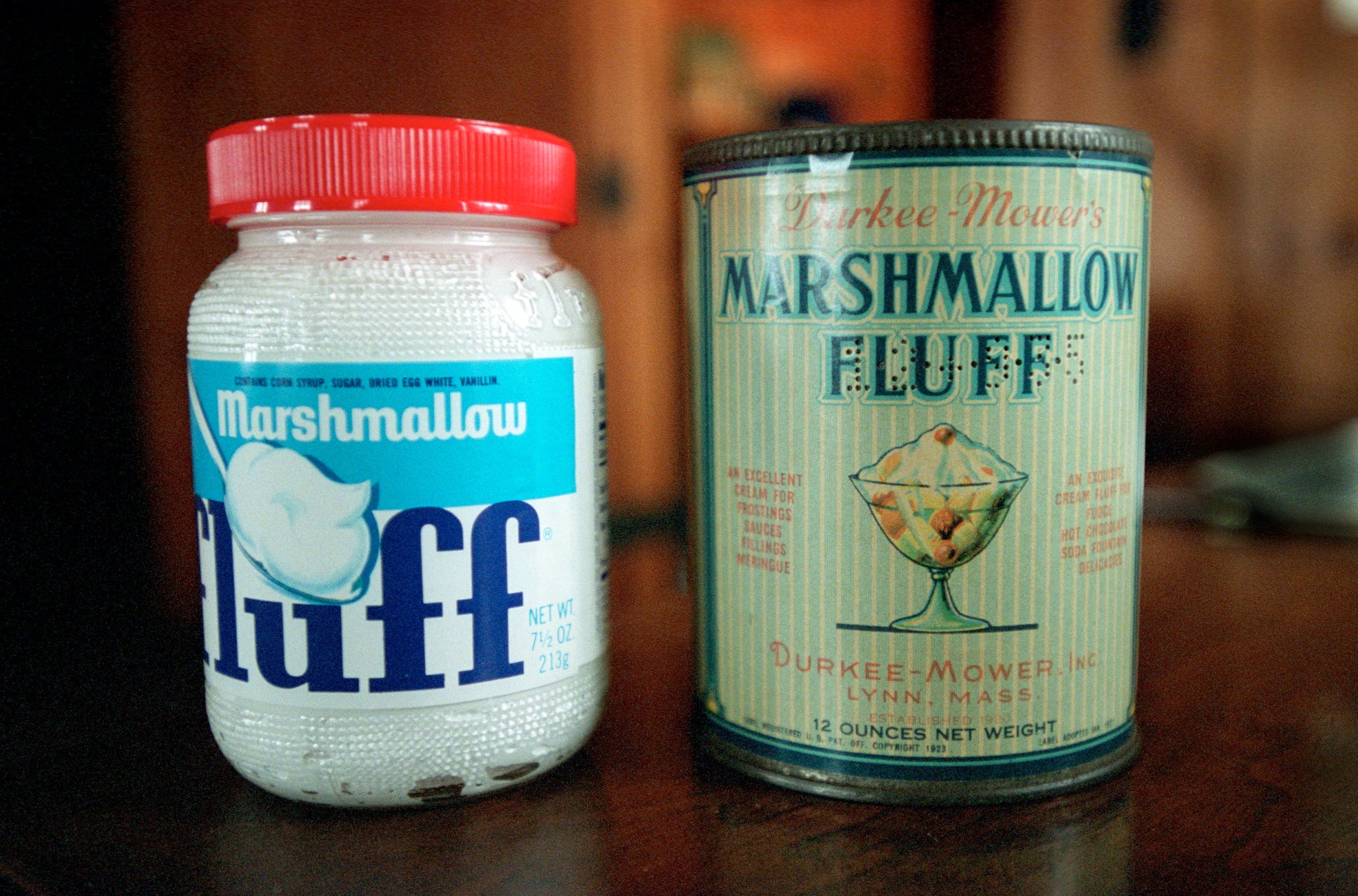
Last year, more than 20,000 people flocked to Somerville’s annual What the Fluff festival, a playful celebration of the beloved marshmallow spread. But this New England staple didn’t originate at a street fair—its roots stretch back more than a century.
“Fluff brings up people’s own sense of nostalgia and play,” said Mimi Graney, author of “Fluff: The Sticky Sweet Story of an American Icon.” “You can’t be serious talking about fluff.”
Fluff is a sweet, spreadable marshmallow creme made by batch whipping corn syrup, sugar syrup, dried egg whites, and artificial flavor.
“[Making fluff] can be a little tricky, how to be able to have the sugar at the right temperature so it has the right viscosity,” Graney said.
The origins of modern-day marshmallow creme appear as early as 19th-century Paris, where pharmacists whipped marshmallow juice with sugar and egg whites as a soothing throat remedy. In Somerville, Archibald Query developed his own version in 1917, selling it door–to–door until World War I sugar shortages forced him to stop.
In 1920, Query sold the recipe for $500 to H. Allen Durkee and Fred L. Mower, childhood friends from Swampscott who had just returned from serving in France, according to the Durkee-Mower website. Mower had worked with Query at the Walter Lowney Chocolate Company in Mansfield. Durkee and Mower already had a small operation making hard candies. With Query’s formula, they began building something bigger.
“[Fred] had a car, Allen’s family had a little bit of money, and Archibald had the recipe,” Graney said. “They each had something to contribute to the company.”
Query left the company shortly after. “Fred and Allan were such tight friends that it made sense that they would have had Archibald [Query] go off and do his own thing,” Graney said.
By 1929, Durkee and Mower moved into a 10,000-square-foot factory with 10 employees.
Durkee and Mower turned a basement recipe into a household name by hustling Fluff into grocery stores and the radio. In 1930, they even sponsored their own program, the “Flufferettes.”
“They did such a tremendous job…they just got it into New England stores completely,” said Jon Durkee, grandson of co-founder H. Allen Durkee.
The company survived sugar-rationing during World War II, even switching from metal to glass containers, and scaled up production as the postwar sugar consumption surged.
According to Graney, a 1939 “handshake agreement” with Limpert Brothers—who claimed to have trademarked Fluff in 1913—gave Durkee-Mower the right to sell retail jars, with limits like selling containers larger than one pound only within New England. In 2016, Durkee-Mower bought the entire trademark.
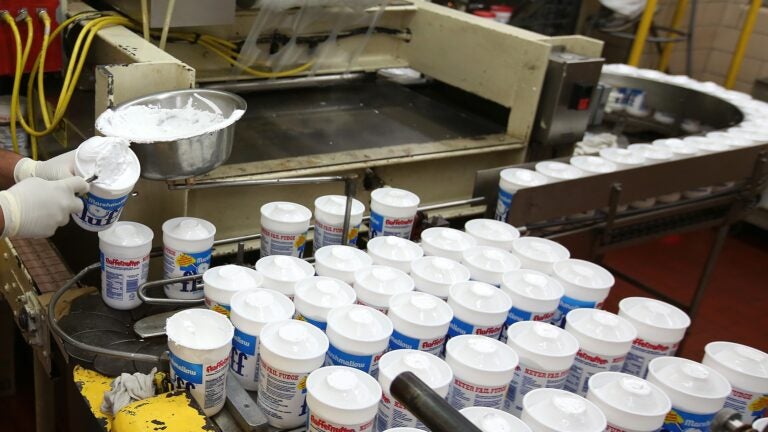
By 1950, the company had an automated factory in Lynn, where it still operates today. Larger companies, including Kraft, attempted to buy Fluff, but Durkee-Mower never budged, Graney said. “Fluff has survived because they’re plugging away doing their own thing and didn’t sell out at a critical moment,” Graney said.
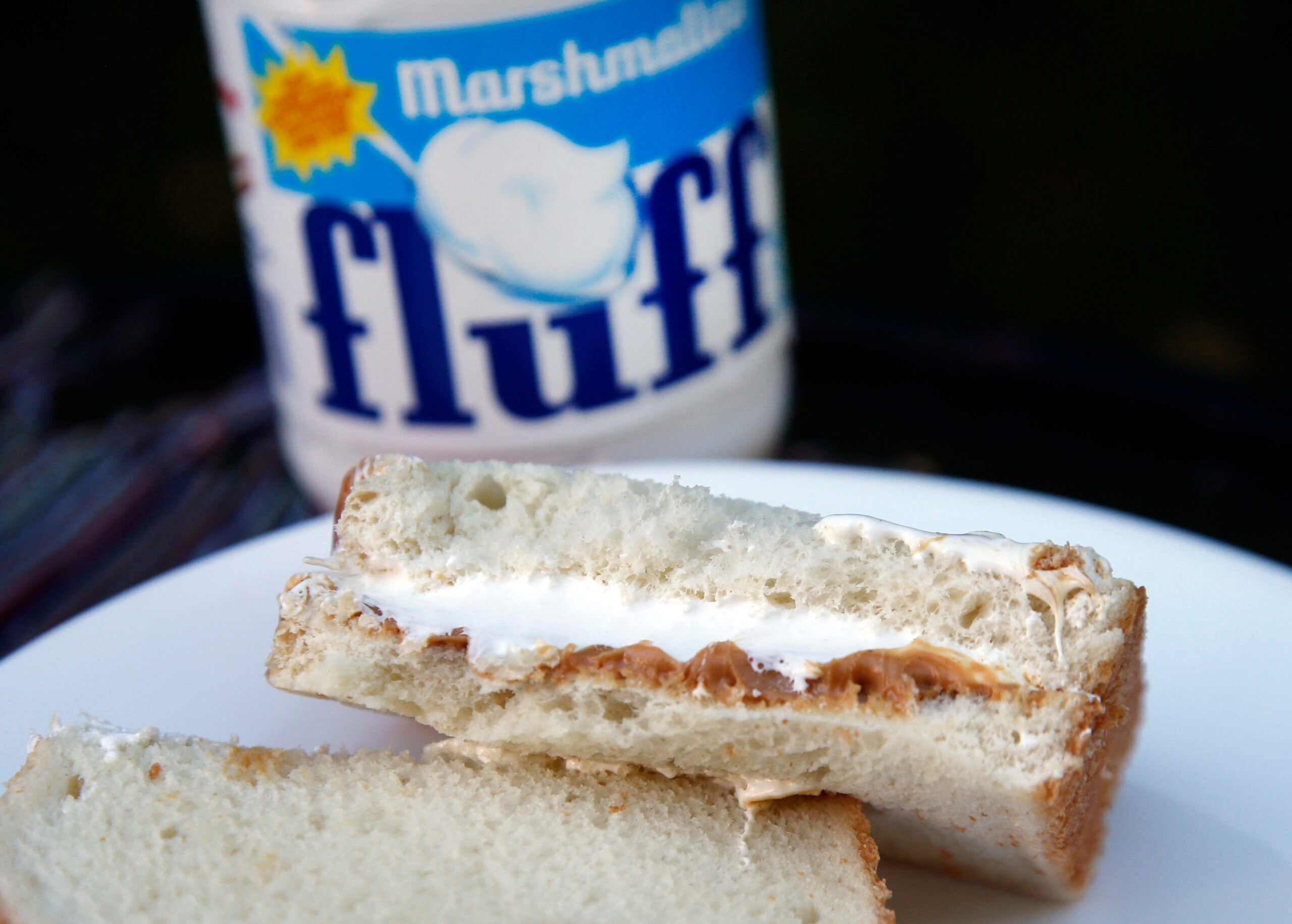
In 1960, Durkee-Mower trademarked Fluffernutter, the peanut butter and Fluff sandwich that became a Massachusetts classic. The sandwich became so popular that it triggered a “Fluff war,” in 2006 over school-serving limits and official state sandwich status. Neither measure passed into law.
“What the Fluff” festival launched in Union Square that same year, now drawing thousands with “Flufftastic” treats, cocktails, and games. The 20th festival will take place Sept. 20 from 2 to 6 p.m.
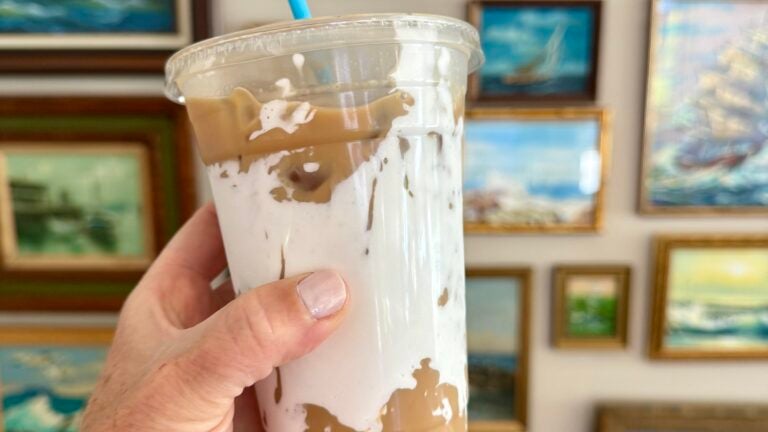
Today, Fluff endures throughout the region, from toasted Fluff cones at Gracie’s Ice Cream in Union Square to a viral “Fluffy Seagull” latte on Cape Cod. And in 2021, Fluffernutter earned a spot in Webster’s Dictionary—and Graney still thinks it deserves to be the state sandwich. “It brings all of Massachusetts together,” Graney said. “Fluff is all about sticking together.”
Stay up to date on the latest food and drink news from Boston.com.




To comment, please create a screen name in your profile
To comment, please verify your email address
Conversation
This discussion has ended. Please join elsewhere on Boston.com