
Sign up for the Today newsletter
Get everything you need to know to start your day, delivered right to your inbox every morning.
Oh, the blessing that is social media. You’re able to chat with friends anywhere in the world, have access to an abundance of information, share your passions, grow a business, spend 30 minutes perfecting a 20 second dance. It’s too much fun. However, that fun will soon have its limits for minors in Utah.
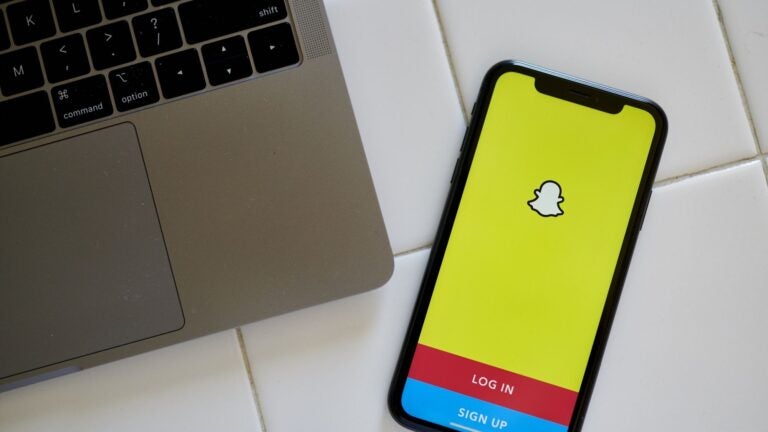
Utah Gov. Spencer Cox signed two bills into law last week restricting minors in how they use social media. The law is the first of its kind in the nation, and will require social media networks, such as TikTok, Snapchat, and Instagram, to give parents access to their children’s posts, messages, and responses. Furthermore, social media companies will be banned from targeted advertising to minors, and will be limited in collecting their personal data. Minors will also be blocked from using social media from 10:30 p.m. to 6:30 a.m. No more swiping until the wee hours of the morning.
The second bill signed by Governor Cox will prohibit social media companies from using “addictive” features on their platforms.
According to the bill’s sponsor, Michael K. McKell, a Republican member of the Utah Senate, the intent of this measure is to address “the mental health crisis” among American teens and prevent bullying and child sexual exploitation. McKell told The New York Times that the bill is meant to benefit minors and parents, helping to protect families from online threats.
However, some groups argue that this law limits freedom of speech and privacy for Utah minors. The law may also undermine individual parental judgment when it comes to social media and cut Utah teens off from major social platforms.
In 2021, Boston.com polled readers about social media following Facebook whistleblower Frances Haugen’s testimony to Congress revealing details about the company’s algorithms and content flow. Haugen told Congress that executives refused to alter the platform despite knowing the harm it caused children, and valued profits over safety.
Despite a majority of Boston.com readers sharing that they hated using social media, many noted how useful and, at times, necessary it has become for jobs, and still serves as a meaningful way to connect with loved ones. But is social media a necessity for minors? Should we consider limiting its use for children and teens?
Tell us: Do you think social media should be restricted for minors? Should we follow Utah and consider similar limitations in the Bay State? If you are a parent, do you believe this would protect your children? Or, would you consider this a violation of speech, privacy, and communication?
We want to know if you think children and teens would be better off with social media use restrictions, and why or why not. Tell us your opinion by filling out the survey below or e-mailing us at [email protected] and we may feature your response in a future article.
Get everything you need to know to start your day, delivered right to your inbox every morning.





Be civil. Be kind.
Read our full community guidelines.To comment, please create a screen name in your profile
To comment, please verify your email address