
Sign up for the Today newsletter
Get everything you need to know to start your day, delivered right to your inbox every morning.
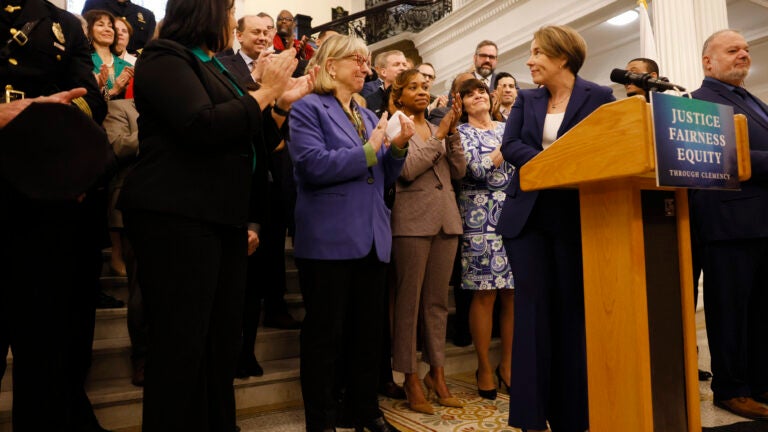
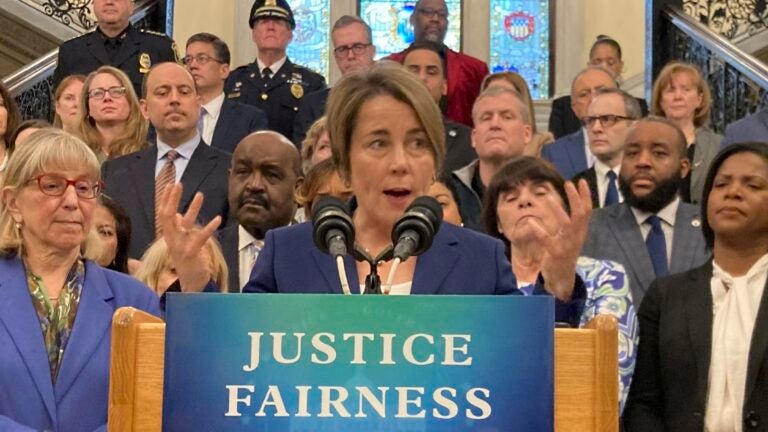
On Wednesday, Gov. Maura Healey proposed a pardon for misdemeanor marijuana convictions in Massachusetts, a move she said could impact hundreds of thousands of people who have been disenfranchised by the charges.
“Nobody should face barriers to getting a job, housing or an education because of an old misdemeanor marijuana conviction that they would not be charged for today,” Healey said in a statement.
A pardon acts as forgiveness for a conviction from your criminal record, according to the Healey administration. The pardons would forgive all Massachusetts state court misdemeanor convictions for possession of marijuana (sometimes referred to as possession of a “Class D substance”) before March 13, 2024, extending as far back as the 1970s war on drugs and earlier. Most people would not need to take any action to have their criminal records updated.
However, not all marijuana-related convictions are covered by the pardons. The pardons would not apply to: criminal cases resolved after March 13, 2024; other marijuana related convictions such as possession of marijuana with intent to distribute, distribution, trafficking, or operating a motor vehicle under the influence; convictions from jurisdictions outside Massachusetts, including federal court; and continuances without a finding or other non-conviction dispositions for possession of marijuana.
Healey’s office said the pardon also would not cover people who have been arrested or charged without a conviction, according to WBUR – those records will still exist. Nor does the pardon act as expungement, which is the only way to truly remove a criminal conviction from the record. Instead, the pardon will be reflected alongside the original offense, WBUR reported.
Healey’s proposal still needs approval by the state’s Governor’s Council, but if given the go-ahead, the pardons would become effective immediately after the council votes. A majority of the members of the Governor’s Council told the Boston Herald they are on board with Healey’s plan and could meet in the coming weeks to consider the pardons.
Healey’s proposal comes seven years after the state legalized cannabis for recreational and commercial use via a 2016 ballot question. Healey cast the pardons as a way to “make the criminal justice system fairer and more equitable by adapting to changes in criminal law, addressing historical injustices, and promoting equity.”
The pardon proposal won the support of many top Democrats and law enforcement officials in the state, including Attorney General Andrea Joy Campbell, Senate President Karen E. Spilka (D-Ashland), and The Massachusetts Chiefs of Police Association.
Other states, such as Oregon, Missouri, and Illinois have already pardoned or are set to clear the records of people arrested for simple marijuana possession convictions.
Tell us by filling out the form or e-mailing us at [email protected], and your response may appear in a future Boston.com article.
Sorry. This form is no longer available.

Get everything you need to know to start your day, delivered right to your inbox every morning.


Be civil. Be kind.
Read our full community guidelines.To comment, please create a screen name in your profile
To comment, please verify your email address