
Sign up for the Today newsletter
Get everything you need to know to start your day, delivered right to your inbox every morning.
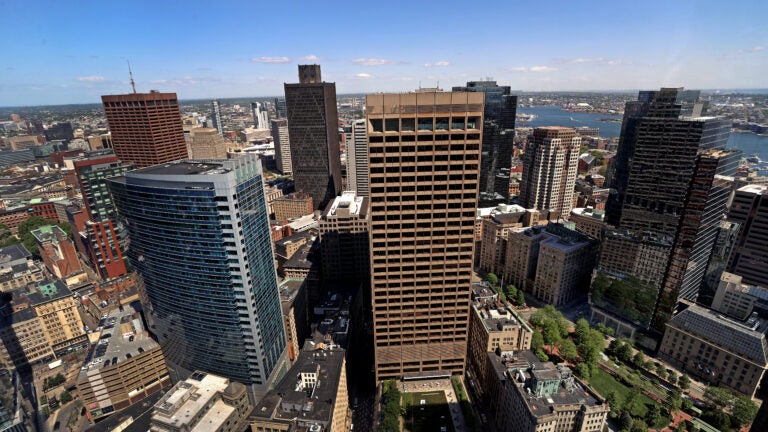
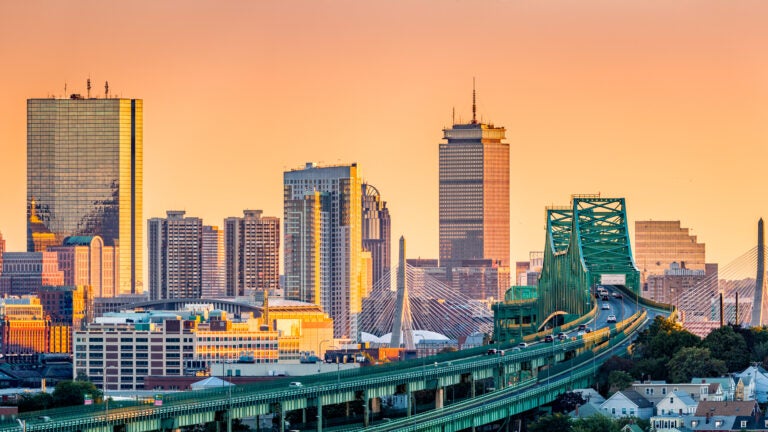
Boston is launching a new pilot program to convert empty office buildings downtown into residences. The city hopes the program will breathe new life into a ghostly business district left empty in the wake of the pandemic and the rise of working from home. We want to know: is it a good idea?
The “Downtown Office to Residential Conversion Pilot Program,” which will begin accepting applications this fall, gives developers steep tax breaks – we’re talking a rate reduction of up to 75% of the standard tax rate for residential properties for up to 29 years – to turn office buildings into apartments or condos.
The program could not come at a better time. Downtown office vacancy rates have reached a record-high of 19.7% in the Boston metro area, which now exceeds its peak during the Great Financial Crisis, according to real estate brokerage Colliers. And weekly foot traffic in the Downtown Boston Business Improvement District is still down about a third from pre-pandemic levels, leaving downtown looking more like a ghost town these days.
This is all on top of the fact that Boston faces a lack of housing that could continue getting worse coupled with rising rents that show no signs of slowing down.
“We must take every possible action to create more housing and more affordability so that Boston’s growth meets the needs of current and future residents,” Mayor Michelle Wu said in a statement. “This program will help us take advantage of the opportunity we have to rethink Downtown as a space where people from all over come together to collaborate, create, live, and play.”
But not everyone is convinced the program will work.
Michael Procopio, CEO of The Procopio Companies, a family-owned real estate development and construction firm headquartered in Middleton, recently spoke to Boston.com about why converting office space to apartments and condos might not actually solve Boston’s housing problems.
Residential buildings share little to no DNA with office spaces, he said, ranging from the basic design to the mechanical systems such as heat and air conditioning. This means “the cost to convert is often more than the cost to tear down and rebuild,” Procopio said.
Still, converting office buildings to residential spaces isn’t an impossible task. Older office buildings, some which originally served as residences or hotels, could be better options for the conversions, Procopio suggested.
As for newer office buildings being converted to housing? “That’s a pipe dream,” Procopio said.
Tell us: Do you think converting office buildings to housing is a good idea? Will it address Boston’s downtown office building vacancy rates and housing crunch? Share your thoughts by filling out the survey below or emailing us at [email protected] and we may feature your response in a future Boston.com article or social media channels.

Get everything you need to know to start your day, delivered right to your inbox every morning.




Be civil. Be kind.
Read our full community guidelines.To comment, please create a screen name in your profile
To comment, please verify your email address