
Readers: How hard is it to get a doctor’s appointment in Massachusetts?
More than 100 million Americans face barriers to accessing primary care.
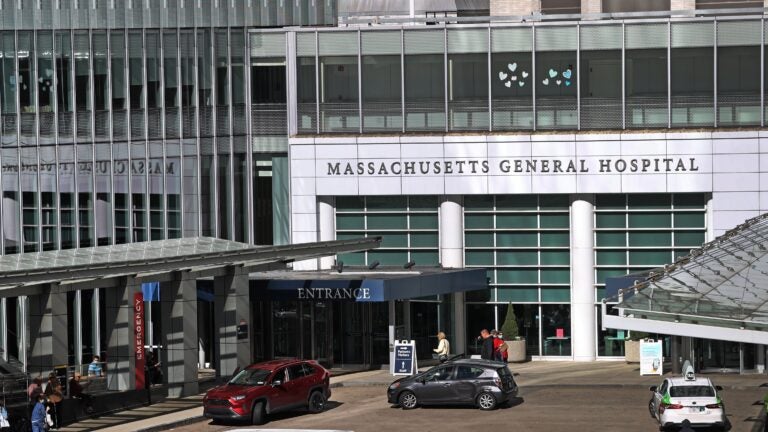
Despite Massachusetts’ reputation for quality healthcare, many in the state struggle with one of the first steps of seeking care: getting an appointment with a primary care physician.
A shortage of available doctors, a wave of retirements, and high patient demand are all making it harder than ever for people to establish and maintain a relationship with their doctors. Public health experts warn this is a crisis that puts millions at risk of poor health.
Worsening access to care
Last year, Massachusetts General Hospital and Brigham and Women’s Hospital warned that they would be unable to accommodate any new primary care patients and placed those requesting an appointment on a months-long waitlist.
Across the Commonwealth, patients are struggling to make timely appointments. In Boston, it takes 40 days on average to get a family medicine appointment, with some waits as long as 136 days, according to a survey by physician recruiters Merritt Hawkins & Associates.
Part of the problem is that there are more physicians leaving the field than entering. In 2022, only 23.6 percent of students graduating from Massachusetts medical schools planned to go into primary care. Meanwhile, a third of current primary care physicians are at or nearing retirement age.
And the problem may get worse before it gets better. In the next decade, the U.S. is expected to face a shortage of between 37,800 and 124,000 physicians, according to a report by the Association of American Medical Colleges. Primary care (family medicine, general pediatrics, geriatric medicine) could be the hardest hit.
Negative health outcomes
A report from the National Association of Community Health Centers found that more than 100 million Americans face barriers to accessing primary care, leaving “nearly one-third of the population vulnerable to preventable chronic diseases and emerging threats like COVID-19 and influenza.”
“High-quality primary health care is the foundation of healthy communities, yet a staggering number of Americans face barriers to accessing preventive and primary care,” the report said.
This problem affects people of all income levels, locations, ages, races, ethnicities, and insurance status, according to NACHC’s findings. In fact, many people who have insurance are still unable to access primary care in their community.
Regularly seeing a primary care physician helps patients manage day-to-day health, get ahead of emerging health concerns, and stay informed about their overall health. And, while public trust of the U.S. Centers for Disease Control and the U.S. Food and Drug Administration has been on the decline since the start of the COVID-19 pandemic, the vast majority of Americans still trust their doctors and other medical professionals they know personally.
Tell us: Have you had trouble seeing a primary care physician?
We want to know how the doctor shortage and appointment waitlists are affecting you. Have you been in search of a new primary care provider in Massachusetts? Do you struggle to see the one you already have?
Share your experience with Boston.com by filling out the survey below or e-mailing us at [email protected] and we may feature your response in a future Boston.com article.
Sorry. This form is no longer available.


Be civil. Be kind.
Read our full community guidelines.To comment, please create a screen name in your profile
To comment, please verify your email address