
Sign up for the Today newsletter
Get everything you need to know to start your day, delivered right to your inbox every morning.
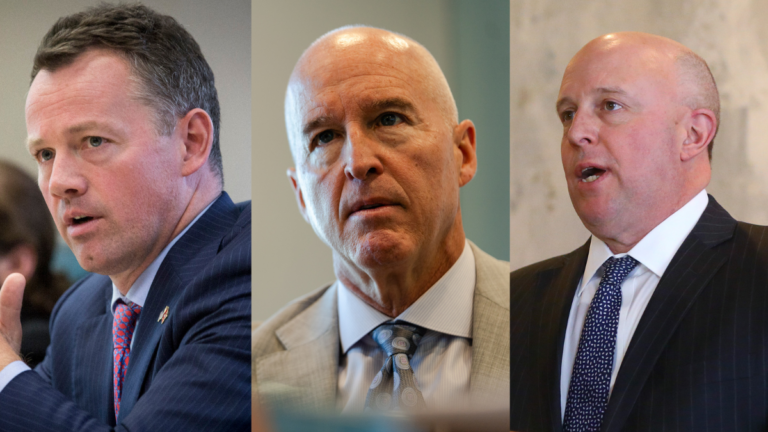
Despite being nearly a year away, the Massachusetts gubernatorial election is already front of mind — and front of wallet — for many candidates, particularly well-funded Republicans who are collectively pouring millions of their own dollars into their campaigns.
Leading the Republican field in personal spending is former biotech executive Michael Minogue, who has invested $5.5 million in his campaign so far, including $2 million in the past month alone, according to campaign finance records. Former state economic development secretary Mike Kennealy has contributed $1.8 million of his own money since launching his campaign this spring, while former MBTA executive Brian Shortsleeve added $200,000 in November.
There is no limit on how much a candidate can contribute to their own campaign, according to the Office of Campaign and Political Finance. Campaign funds are typically used for advertising, fundraising activities, staff salaries, travel, and other day-to-day operations.
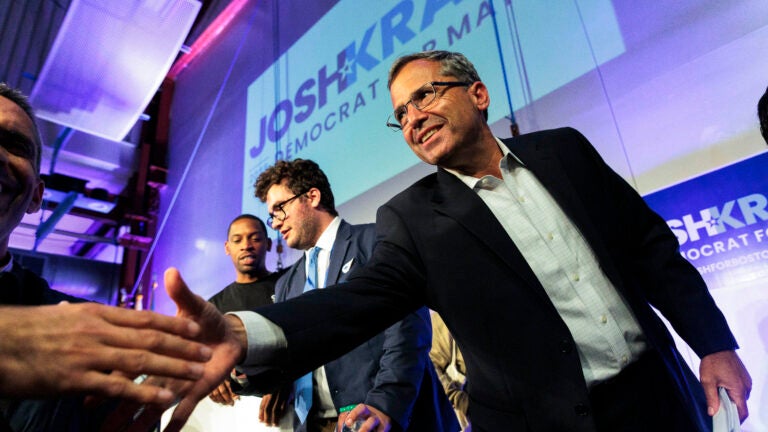
By contrast, none of the Democratic candidates in the race — including incumbent Gov. Maura Healey and challengers Matthew Dewar and Andrea James — have contributed personal funds to their campaigns, according to OCPF records. Still, self-funding is a common practice across party lines in Massachusetts politics. Most recently, Josh Kraft spent $5.5 million on his bid for Boston mayor before dropping out of the race.
Candidates often feel pushed to self-fund for several reasons, Boston Globe reporter Samantha Gross found, including: the state’s relatively low $1,000 limit on individual donations to candidates, the Republican Party’s long-standing fundraising struggles, and a crowded gubernatorial primary in which three relatively unknown candidates are competing for support from a limited pool of donors.
Experts told Gross that self-funding can help candidates without prior experience in elected office — which applies to all of the Republican gubernatorial contenders — gain visibility in the race.
“When you are looking at a candidate who doesn’t have that level of instant name recognition … it really forces them to think about putting in their own financial resources into their campaign,” Amy Carnevale, the state GOP chair, told the Boston Globe.
What do you make of GOP gubernatorial candidates self-funding their campaigns? Does it give them a leg up in the competition, or risk alienating supporters and potential constituents? Should there be stricter limits on how much candidates can contribute to their own campaigns?
Tell us what you think by filling out the form or emailing us at [email protected], and your response may appear in a future Boston.com article.
Sorry. This form is no longer available.

Get everything you need to know to start your day, delivered right to your inbox every morning.


To comment, please create a screen name in your profile
To comment, please verify your email address
Conversation
This discussion has ended. Please join elsewhere on Boston.com