
Sign up for the Today newsletter
Get everything you need to know to start your day, delivered right to your inbox every morning.
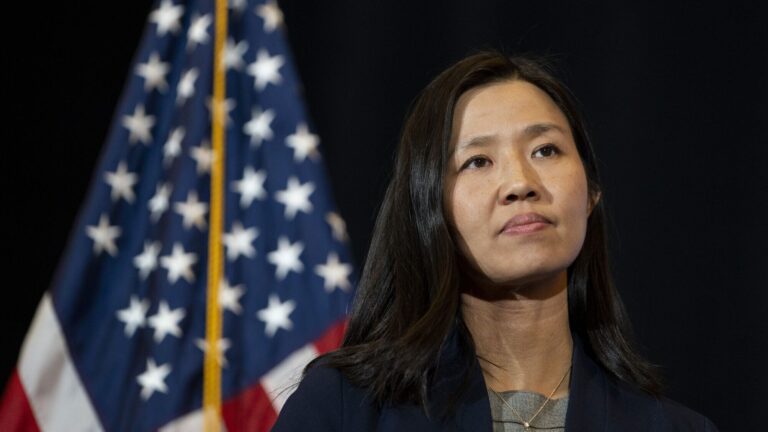
Mayor Michelle Wu’s third attempt to pass a tax relief bill for homeowners is being met with heated debate from residents.
At a community meeting hosted by Democrat Sen. William Brownsberger in Allston–Brighton on Monday, who co-led last year’s opposition to stop the mayor’s bill, residents were split between wanting Wu to cut the city budget instead of increasing property taxes and being upset at Brownsberger for helping to stall the city’s tax relief legislation while the State House was struggling to make ends meet, according to The Boston Herald.
Wu’s chief financial officer, Ashley Groffenberger, has said the overall budget will still grow for the next fiscal year, despite a 2% spending cut to all departments, and that an overall cut isn’t possible in order to maintain essential services.
Property taxes fund more than 70% of Boston’s budget and Wu is aiming to shift the burden from residential homeowners to commercial real estate. The effort has been stopped by the State Senate twice already but Wu needs state approval to alter the city’s tax formula.
The average single-family homeowner in Boston will see a 13% hike in property taxes beginning in January, according to a letter Wu sent to business groups and fiscal watchdogs in December. This is due to high office vacancy rates leading commercial property values to fall and in turn raising residential property values.
“Now that the valuations for Boston’s 180,000-plus parcels have been confirmed, we can say with certainty that unless the state legislature takes action on Boston’s residential tax relief home rule petition, the average single-family homeowner’s tax bill will go up by another 13% next year, with many households having even higher increases than average,” city spokesperson Emma Pettit said in a statement to the Herald.
While the bill passing has become increasingly unlikely, Wu has stepped up her messaging on the subject.
One man shared at the community meeting that Wu’s rhetoric around the issue was creating a “false hatred” for commercial property owners “that are making money by being a contributing member to the city,” according to the Herald.
Sorry. This form is no longer available.
Get everything you need to know to start your day, delivered right to your inbox every morning.




To comment, please create a screen name in your profile
To comment, please verify your email address
Conversation
This discussion has ended. Please join elsewhere on Boston.com