
Sign up for the Today newsletter
Get everything you need to know to start your day, delivered right to your inbox every morning.
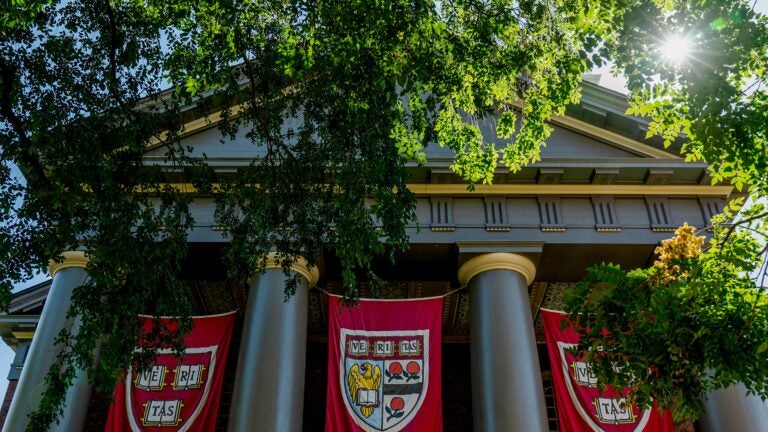
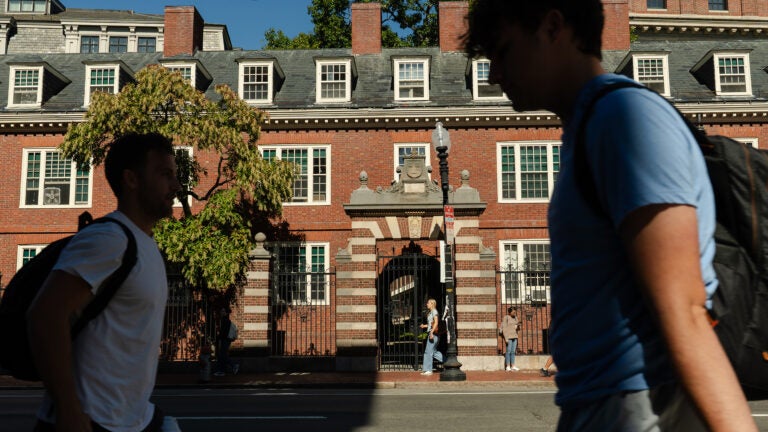
Harvard University might be one of the most competitive universities in the world, but an internal report shows many students are neglecting a basic part of college life: going to class.
Harvard University’s Classroom Social Compact Committee, a group of seven faculty members, reviewed the university’s classroom culture and came to several conclusions released in January. The report found that attendance was low, students were choosing classes perceived as easy, and students cared more about extracurriculars than classwork.
According to a New York Times article published on Oct. 6, some Harvard students believe that there can be more value in networking than coursework.
Students reported high levels of anxiety and stress which reportedly is encouraging them to participate in more extracurricular activities rather than coursework.
Additionally, many students failed to do required reading before class which can lead to a reluctance to speak in class. Professors are losing faith that students can read a book all the way through, according to The New York Times. There is also a concern that students are afraid to speak out in class due to fear of not aligning with popular politics or sounding unintelligent.
According to the report, “most faculty view student curricular disengagement with alarm.”
Without investment in classroom discussion, the report said that students are more likely to be stuck in ideological bubbles without getting to know their professors and peers. The university’s grade inflation is seen as one of the primary drivers in underinvestment in classes — 60% of grades awarded at the university are As.
Double scheduling of classes combined with recording classes gives students solid excuses for not showing up. Faculty assign less work and grade more leniently due to the perceived connection between course enrollment numbers and course evaluation scores with workload and grading forbearance.
Some of these trends are left over from the pandemic, including grade inflation, chronic absenteeism, and students expecting more flexibility.
Professors said that the problems in the classroom could also be attributed to more lenient professor and university policies.
In its application, Harvard has begun requiring students to write about a time they strongly disagreed with someone. It has also explicitly barred professors from grading based on a student’s political or ethical point of view.
We want to know: Do you think the demands of college students are too high? Is this a Harvard problem or have you directly or indirectly experienced this at other colleges or universities? Share your thoughts with us in the form below or e-mail us at [email protected], and your response may be featured in an upcoming article.
Get everything you need to know to start your day, delivered right to your inbox every morning.



To comment, please create a screen name in your profile
To comment, please verify your email address
Conversation
This discussion has ended. Please join elsewhere on Boston.com