
Why local advocates want to ‘end loneliness’ in Massachusetts
The pandemic brought more attention to the crisis of social isolation, but the readers told Boston.com that problem persists.
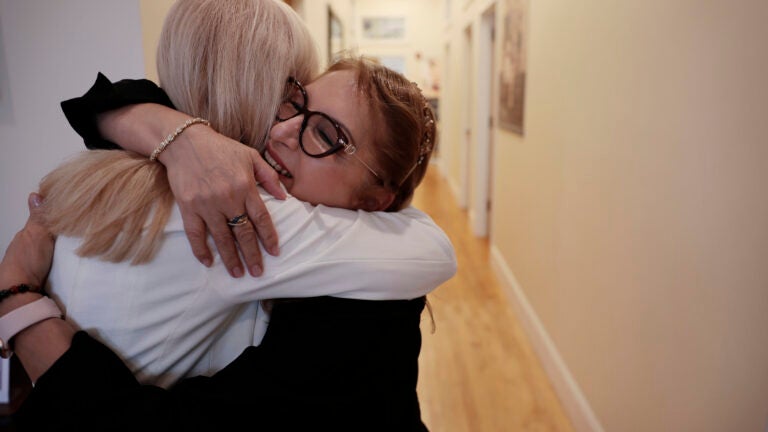
The world got more familiar with loneliness when the pandemic shut down much of public life and forced us to keep our circles as small as possible. In the years since, the world has largely returned to normal, but many are still struggling with feeling disconnected. The pandemic may have brought loneliness into public recognition, but it’s a nationwide epidemic that existed before 2020, and continues to this day.

The impact of loneliness is undeniable: Lack of social connection increases the risk of premature death by more than 60%, according to the U.S. Department of Health and Human Services. U.S. Surgeon General Dr. Vivek Murthy considers it a public health concern as serious as “tobacco, obesity, and substance use disorders.”
In a recent survey, Boston.com readers shared that they feel this in their own lives as they struggle to connect with others or watch loved ones deal with the same. Some were older adults without family nearby and others were younger, new arrivals finding it hard to meet people in Boston, particularly during the long stretch of winter.
“I’m not motivated to go out to meet new people or even those I know. It becomes a cycle of self-isolation perpetuated by the cold and early dark days,” said Liz A. from Cambridge.
Here in Massachusetts, some local volunteers, advocates, and business leaders are trying to get ahead of the problem and address loneliness and social isolation by getting people more connected.
We spoke to leaders at The Massachusetts Coalition to Build Community and End Loneliness and FriendshipWorks about how individuals can build community, get more connected, and end the stigma against loneliness.
Understanding loneliness vs. social isolation
At one point or another, most people will feel lonely. Despite that, there’s still a stigma attached to self-identifying as lonely, said Sandra Harris, president of AARP Massachusetts and one of the leaders of the End Loneliness MA coalition. The coalition was formed in 2019 as a resource to the more than 500,000 older adults in Massachusetts living alone. Today, more than 100 organizations partner to organize social gatherings and multimedia public service campaigns across the state.
“One of the first things that we found was that there was just a lack of public awareness of the risk of being lonely and the benefits of being connected,” she said, citing increased blood pressure and risk for dementia.
Because of this, there aren’t enough conversations about the differences between loneliness and social isolation. People who are socially isolated have fewer means for connection. Often, they have a disability or a lack of transportation access that keeps them separated from a wider community. Loneliness, however, is “independent of how many people you have contact with,” according to Jennifer Raymond, chief strategy officer at AgeSpan.
“I think what COVID did for many of us was to take this away from othering. We often talk about other people being lonely and isolated and lacking connection. Then we all got a taste of that to varying degrees,” Raymond said.
The impact on mental and physical health
At least four-in-ten American adults faced “high levels of psychological distress” during the pandemic, according to Pew Research Center. Today, there are few demographics who haven’t been negatively impacted by loneliness.
“As you get older (in my experience), loneliness becomes more and more prevalent. As single women, it can be hard going out and doing things solo or finding another friend to go out with that doesn’t have to confirm with a partner, spouse, or childcare,” one reader told Boston.com. “It’s why it’s so important to try and make plans with friends or find solo tasks that you can enjoy by yourself.”
Raymond warned that loneliness can be as deadly as smoking a pack of cigarettes a day, a claim that has been shared by the U.S. Surgeon General. And when your health starts to falter, people with close bonds are more likely to have others encouraging them to see a doctor or get treatment.
“When you’re seeing people, when you’re connecting to people, if you’re seeming a little off, you’ve got somebody who’s gonna say, ‘Are you okay? … Should we get you to see a doctor?’ If you’re isolated and not connected, you’re not going to have that mirror who says something looks wrong,” Raymond said.
New approaches to tackling loneliness
FriendshipWorks, a non-profit with a mission to end elder isolation in Massachusetts, has been serving older adults in the state since the 1980s. Pandemic-era conversations about mental health helped bring new focus to an old issue, said Janet Seckel-Cerrotti, the organization’s executive director.
Forty years ago, as younger people were getting more mobile, it became clear to Seckel-Cerrotti and others at the organization that it would lead to more disconnect from family and friends. Readers told us that’s still true in 2024.
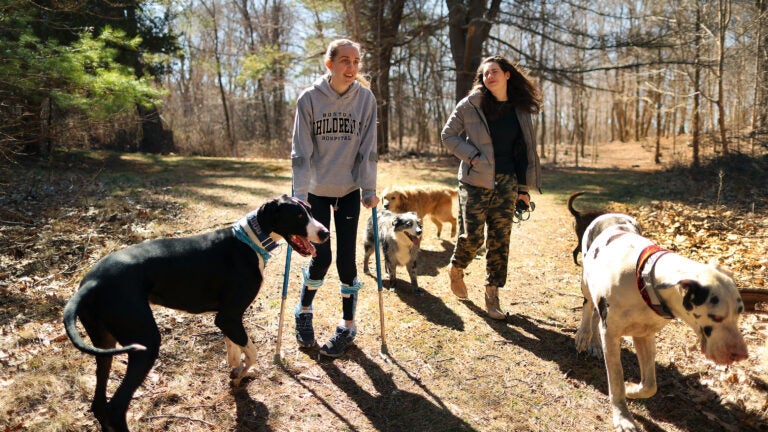
“I find moving to a new state/city when you’re 35-plus is more difficult when you have no social connections in the new state or city, especially if that state or city is in New England, which isn’t known for being friendly,” said Jayson from Back Bay. “So all I can do is try to join sports leagues, participate in work social events, and occasionally go out to a sports bar. However, it doesn’t guarantee you’ll meet people that you connect with on a friendship level.”
FriendshipWorks matches volunteers and elderly residents of Boston, Brookline, Newton, Somerville and Cambridge for friendship and assistance. Most volunteers are in their 20s and 30s, which creates intergenerational friendships that benefit both participants. Volunteers plan regular visits, help with small errands, assist with medical visits, and more.
“It’s amazing how a stranger one day can become your good friend another day,” Seckel-Cerrotti said. “They say make new friends, but keep the old, one is silver and the other gold. I think it’s true. We need to continue to make new connections and new friends throughout our lifetime.”
For Calliope J. from Billerica, the rewards of staying connected to others is worth the effort it takes. She makes a point to work in-person, spend physical time with friends and family, and fill her time with social activities when she can.
“I am a single person who lives alone. If people make an effort to see other people (in the physical sense) instead of hiding behind computers and phones there wouldn’t be a loneliness epidemic,” she said. “People need to get out among other people. Not saying you have to go to a bar or club, find a hobby where you have to participate with others, go to church, volunteer.”
There is no one-size-fits-all approach to combating loneliness or social isolation, said Raymond.
“Loneliness and isolation feel different for different people and so connection feels different,” she said. “For many people, being able to get on the weekly Zoom call with your friends or family or participate in social media, fills that cup of connection. But for others, it’s ‘I need to sit down and have a cup of coffee with my dear friend.’”




Be civil. Be kind.
Read our full community guidelines.To comment, please create a screen name in your profile
To comment, please verify your email address