
Gov. Healey’s pot pardon proposal was the right move, readers say
“The laws have changed, so these people shouldn't be harmed by an old misdemeanor marijuana conviction that they would not be charged for today.”
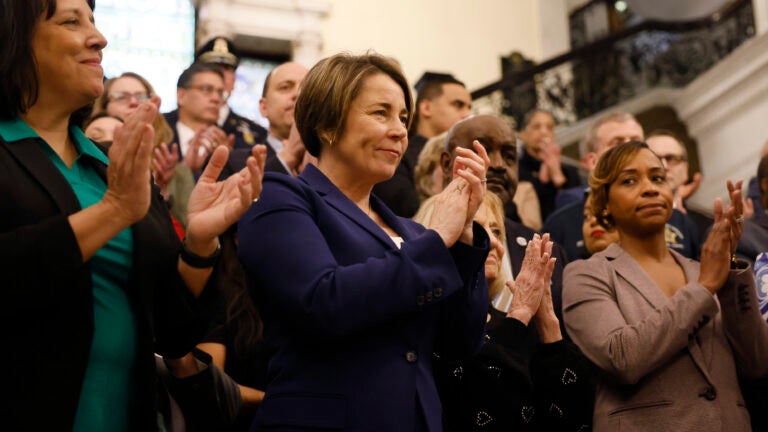
Earlier this month, Governor Maura Healey proposed pardoning misdemeanor marijuana convictions going as far back as the 1970s, a move Boston.com readers overwhelmingly support.
A pardon essentially acts as forgiveness for a conviction. It does not automatically seal or expunge criminal records, according to the Healey administration, but instead, will be reflected alongside the original offense.
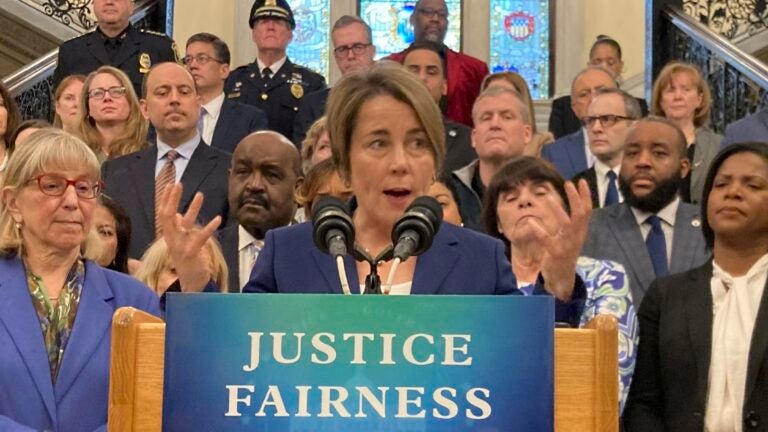
The pardons would forgive all Massachusetts state court misdemeanor convictions for possession of marijuana (sometimes referred to as possession of a “Class D substance”) before March 13, 2024. Most people would not need to take any action to have their criminal records updated.
Healey will need approval from the Governor’s Council before the pardons get the go-ahead. If approved, the pardons would become effective immediately after the council votes (although it will take some time for individual criminal records to be updated, her administration said). A majority of the members of the Governor’s Council told the Boston Herald they are on board with Healey’s plan.
When we asked readers how they felt about Healey’s pot pardon proposal, nearly 75% of the nearly 240 respondents to our poll were supportive of Healey’s plan, with a quarter of readers against it.
“The laws have changed, so these people shouldn’t be harmed by an old misdemeanor marijuana conviction that they would not be charged for today,” reader John from Woburn said.
Indeed, Healey’s proposal comes seven years after the state legalized cannabis for recreational and commercial use via a 2016 ballot question. In the years since then, the legal pot industry has boomed in Massachusetts; Adult-use marijuana establishments in the state set a new annual gross sales record in 2023, exceeding $1.56 billion, according to the Cannabis Control Commission. The commission is responsible for administering the legal cannabis market in Massachusetts.
In a statement, Healey said the pardons are an act of justice for those who have been disenfranchised by their convictions, and are a way to make the criminal justice system fairer and more equitable.
“Nobody should face barriers to getting a job, housing or an education because of an old misdemeanor marijuana conviction that they would not be charged for today,” Healey said in a statement.
Many readers agreed that the pardons would go a long way to address historic injustices against communities of color, such as the war on drugs.
“The war on drugs disproportionately jailed people of color,” reader John from Abington said.
Gerard V. from Fenway agreed, adding that “especially in the U.S., but also in other countries, the records associated with marijuana convictions clearly show an enormous bias particularly against minorities.”
Other readers such as Gene G. from Allston said pardons for misdemeanor marijuana convictions “should’ve happened years ago,” and some readers even said the pardons don’t go far enough.
Below, see a sample of readers’ thoughts on Healey’s proposal to pardon misdemeanor marijuana convictions.
Responses have been lightly edited for grammar and clarity.
Do you agree with Healey’s proposal to pardon misdemeanor marijuana convictions?
Yes, I agree
“So long as the record is not expunged and future employers, government agencies, etc. can see the conviction and the pardon, it is an accurate reflection of reality. The misdemeanor conviction often has little lifelong impact and those convicted still have to admit to the conviction on any form that asks if they have been convicted. That part of the pardon needs to be publicized widely and for quite awhile so everyone knows and understands the changes.” – S.N., Weymouth
“These are misdemeanor infractions and the legal system has a long and storied history of racist decisions and policy making. Let these people have their names cleared because of the current legal status of cannabis.” – Joseph A., Boston
“Marijuana possession should never have been a crime in the first place.” – Mark M., Rhode Island
“I agree with the pardon. However, they should be reminded that the law is the law and it must be obeyed. This is a gift and the offenders may not get so lucky if something similar occurs in their future.” – Boston.com commenter
“Criminal penalties for marijuana are ignorant and stupid, wasting many good lives. We must learn to qualitatively distinguish marijuana from hard drugs. Actually, the mass pardon doesn’t go far enough: people convicted of felony marijuana possession or dealing (assuming they have no other record) should be pardoned also.” – Tom, St. Johnsbury, Vermont (formerly of Sudbury)
“The only part of this I am wary of is that many people already plead down from something more serious, so that the misdemeanor convictions may have already been a form of leniency. I don’t want those people who committed, and then were essentially pardoned of, more serious crimes to now have their records totally wiped clean. For those who did not already plead down to lesser charges, I agree with the pardons.” – Boston.com commenter
No, I disagree
“I don’t believe that Governors should be using unilateral power to pardon a class of crime they feel is insignificant; the next Governor could use their power to pardon all shoplifters; it is a misguided, misuse of power.” – Peter, Newburyport
“The laws were what they were at the time of arrest, overturning previous convictions based on today’s change of legal opinions is nonsense.” – Peter, Medford
“It was a crime when the activity occurred. Changing that sets wrong precedents.” – Ben, Wilmington
“Point is they broke the law that was in effect at the time.” – Frank G., Jamaica Plain
Boston.com occasionally interacts with readers by conducting informal polls and surveys. These results should be read as an unscientific gauge of readers’ opinion.


Be civil. Be kind.
Read our full community guidelines.To comment, please create a screen name in your profile
To comment, please verify your email address