
New Ford technology aims to make traffic less stressful
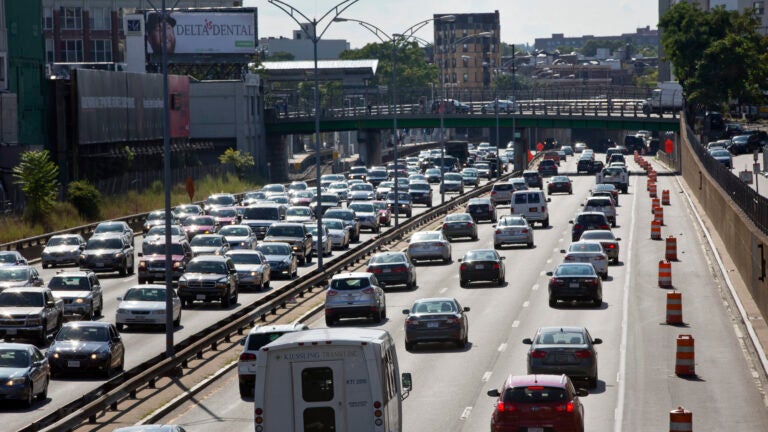
Ford Motor Company wants to make the daily grind of getting stuck in bumper-to-bumper traffic a little easier by expanding its cars’ self-driving capabilities in limited situations.
Ford is introducing an “advanced adaptive cruise control system’’ with “stop-and-go technology.’’
Once activated, the system adjusts the car’s speed and applies the brakes for the driver while keeping a safe distance from the vehicle ahead, relieving the driver of frequently tapping the gas and brake pedals in congested traffic.
These driver-assist technologies will be available in Ford’s 2017 Fusion lineup in the spring, including the Energi and Hybrid vehicles. Ford says the stop-and-go systems will be added to three new Ford products over the next two years.
The system allows drivers to set a cruise control speed and a following distance to the car ahead. The stop-and-go technology uses a combination of radar and camera technology that reads the road and traffic patterns every 50 milliseconds, adjusting the speed and distance as necessary with very little input from the driver.

Ford is introducing an “advanced adaptive cruise control system’’ with “stop-and-go technology’’ on its 2017 Ford Fusion.
The system will stop the car entirely if traffic comes to a halt. If the car has to stop for more than three seconds, the system turns off, but the driver can tap a resume button allowing the car to return to its preset speeds.
The technology could make the daily commutes of millions of urban residents slightly easier. A recent study by Texas A&M Transportation Institute found American drivers spent 6.9 billion hours stuck in traffic in 2014. At a local level, Boston drivers experienced about 4.9 hours of gridlock per day that year.
In addition to adaptive cruise control with stop-and-go technology, Ford is also offering several driver-assist features including Pre-Collision Assist with Pedestrian Detection. Like the stop-and-go system, the Pre-Collision technology uses sensors to monitor roads and detect and prevent potential collisions with pedestrians. If a potential collision is detected, the system sends an audible and visual alert to the driver and can automatically apply the brakes if necessary.
U.S. News names the ‘21 Best Cars for Families’ winners
[bdc-gallery id=”1418713″]




To comment, please create a screen name in your profile
To comment, please verify your email address
Conversation
This discussion has ended. Please join elsewhere on Boston.com