
Could self-driving cars signal the end of traffic lights?
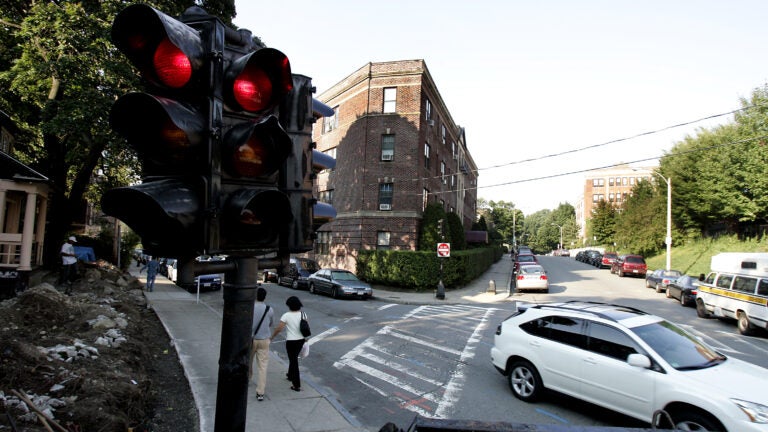
The anticipated benefits of self-driving cars include safer roadways for drivers and pedestrians, fewer traffic violations, and an easier time finding parking spaces.
But researchers at the Massachusetts Institute of Technology’s Senseable City Lab, a research initiative focused on how technology will change traditional urban design structures, are adding one more potential perk to the list: no more waiting at a traffic intersection for a signal to turn green.
That’s because autonomous vehicles could eliminate the need for this particular type of traffic infrastructure by relying on what they call “slot-based’’ intersections. By communicating with each other over internet connections, self-driving vehicles will be able to regulate their own speeds to safely navigate oncoming traffic.
From The Boston Globe:
“When sensor-laden vehicles approach an intersection, they can communicate their presence and remain at a safe distance from each other, rather than grinding to a halt at traffic lights,’’ explains Carlo Ratti, director of the Senseable City Lab, in an email. “By removing the waits caused by traffic lights, slot-based intersections create a system that is much more efficient.’’
Fewer delays at traffic lights could greatly ease congestion and reduce carbon emissions.
In order to make the slot-based intersections a reality, self-driving vehicles will need to be able to exchange data smoothly. Researchers also believe a central system to organize traffic flows will be necessary.




To comment, please create a screen name in your profile
To comment, please verify your email address
Conversation
This discussion has ended. Please join elsewhere on Boston.com