
How do you know when it’s time for an aging driver to give up the car keys?
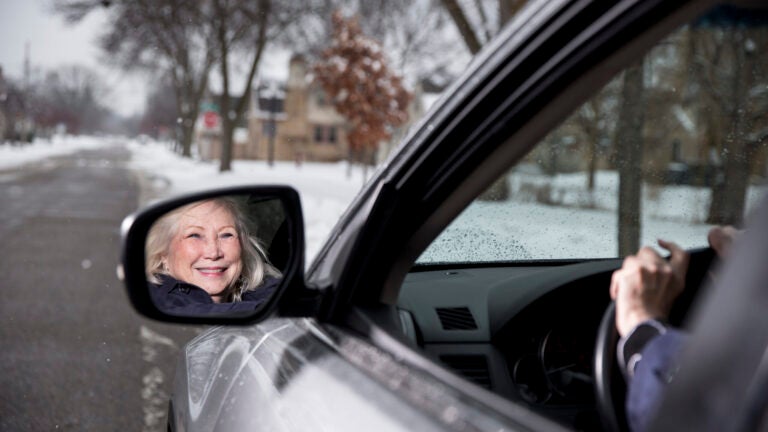
When is it time for an aging driver to give up the car keys? It can be an uncomfortable decision for elderly drivers or their adult children to make, but it’s an important one. Drivers over age 60 are involved in more than 400,000 crashes each year, according to Jake Nelson, AAA’s director of traffic safety and advocacy.
So what are the most important factors to take into account when determining it’s time stay in the passenger seat? A recent AAA Foundation report points to one big red flag.
The report found that older drivers who have experienced a fall while on foot face a 40 percent greater risk of being involved in a crash when behind the wheel.
The fall may lead to an injury that makes certain driving maneuvers more difficult, or lead to decrease in physical activity that can negatively impact driving skills. Or it may simply indicate declining health overall.
Mary Maguire, director of public and legislative affairs for AAA Northeast, says families with an older driver shouldn’t wait for a serious event like a fall or a vehicle crash to talk about driving ability.
“When the concern grows that an older parent is no longer safe on the road, that their passengers are no longer safe, or they pose a danger to other drivers, then it’s time to consider giving up the keys,’’ said Maguire.
Families should take stock of any health problems a relative may be experiencing. This includes reviewing any physical issues like loss of balance, coordination or reaction time. It also helps to review what medications the relative may be taking and if they are experiencing any side effects, such as dizziness, as a result.
But Maguire says the good news is seniors tend to be aware of their limitations in the driver’s seat and are more likely to take precautions.
“Older drivers self-police well,’’ she said. “For example, they usually don’t drive at night, tend to avoid left hand turns at intersections, don’t drive at rush hour, and stay home during bad weather.’’
Story continues after gallery
The safest vehicles of 2016:
[bdc-gallery id=”1431181″]
Aftermath to consider
But no matter how much planning is done ahead of time, the decision to give up, or take away, driving privileges will always be a difficult one.
“Driving connotes independence, freedom, the ability to socialize and make your own decisions,’’ said Maguire. “It’s a huge decision to give up driving, but safety comes first.’’
Taking away an elderly person’s car keys is not without its own risks. Another report from AAA published last year found elderly drivers who lost their driving privileges experienced a drop in productivity, participated less in outdoor activities, and were at greater risk of depression.
Maguire recommends helping an elderly loved one who has lost their driving privileges to change their lifestyle. For example, they might consider moving into an assisted living facility that offers social activities and transportation services. Another option is to organize a network of friends and relatives who can give the senior a lift when they need one.
“It really depends on the individual to make the choice that is right and appropriate and financially feasible for them, “ said Maguire.
Maguire said she hopes seniors will continue to drive for as long as they are able to do so safely. To do so, she recommends seniors exercise to sharpen their physical and mental agility.
But family members should prepare for the day when they must take away the elderly driver’s keys. And it should be on the early side.
“It’s a conversation people should have early on,’’ she said. “My fear is that families will wait too long to have such an important conversation.’’




To comment, please create a screen name in your profile
To comment, please verify your email address
Conversation
This discussion has ended. Please join elsewhere on Boston.com