
Despite the growth of ride-sharing services, people want to buy their own car
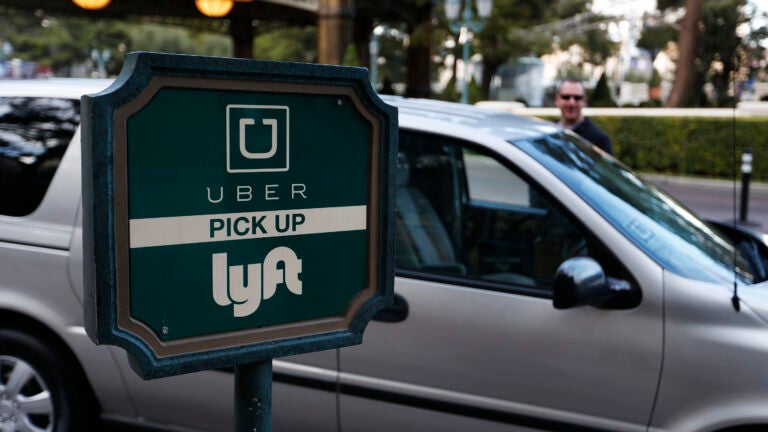
Despite the availability of ride- and car-sharing services, most Americans still want to own their own car, according to new study from Kelley Blue Book.
The KBB study found 80 percent of those surveyed said owning or leasing a vehicle offers a sense of freedom and independence that sharing services can’t match. Almost two-thirds of respondents said they completely or somewhat agree that owning or leasing a vehicle is a source of success and pride.
Over 1,900 U.S. residents between ages 18 and 64 participated in the survey, which was conducted by market research firm Vital Findings.
“Ride- and car-sharing services are getting a lot of attention these days, and we wanted to better understand the current landscape of these app-fueled platforms and how they may impact both consumers and the auto industry moving forward,’’ said Karl Brauer, senior analyst for Kelley Blue Book, in a statement.
The report defines ride-sharing services as companies like Uber and Lyft that allow consumers to summon and pay for a ride with a smartphone app. Meanwhile, car-sharing companies like ZipCar, Car2Go and Getaround allow consumers to borrow a vehicle when they need one to drive themselves. Some car-sharing companies offer consumers a smartphone app that lets them reserve, pay for, and even unlock a reserved vehicle.
“While there are numerous benefits to ride sharing and car sharing, our data reveals that owning a car still reigns supreme, with reliability, safety and convenience all being major factors,’’ said Brauer.
On those three points outlined by Brauer, most respondents see personal vehicle ownership as a better option than ride or car sharing.
First, on reliability, the survey found vehicle ownership is seen as a more reliable way to get around by 81 percent of respondents as compared to ride sharing and by 78 percent as compared to car sharing. About three-quarters of respondents said owning a vehicle was more convenient than relying on either a ride- or car-sharing service.
Story continues after gallery
KBB names the 10 best SUVs under $25,000
[bdc-gallery id=”1424268″]
The report also indicates safety issues present some serious hurdles for both types of sharing services. Four out of five respondents found vehicle ownership to be safer than both ride- and car-sharing services.
Ride-sharing services face even deeper concerns. The survey also found only one-third of respondents said ride-sharing services are safe and just under half said they are not comfortable riding alone with a ride-share driver.
Locally, Massachusetts lawmakers passed a bill that would require ride-sharing drivers to undergo a two-step background check.
However, more than two-thirds of respondents (69 percent) found ride-sharing services to be an effective tool to fight drunk driving.
The survey found that while most respondents (73 percent) were aware of the availability of ride-sharing services, only 16 percent had used these services. For car-sharing services, 43 percent were aware of these services but only 7 percent had used them.
For those who do not currently own a vehicle, more than half said affordability was the most likely reason they did not currently own a car. But very few saw sharing services as an alternative. Only 5 percent said ride sharing was a reason not to own a vehicle, while just 3 percent said the same thing about car sharing.




To comment, please create a screen name in your profile
To comment, please verify your email address
Conversation
This discussion has ended. Please join elsewhere on Boston.com