
IIHS: Front crash prevention systems could stop 700,000 crashes a year
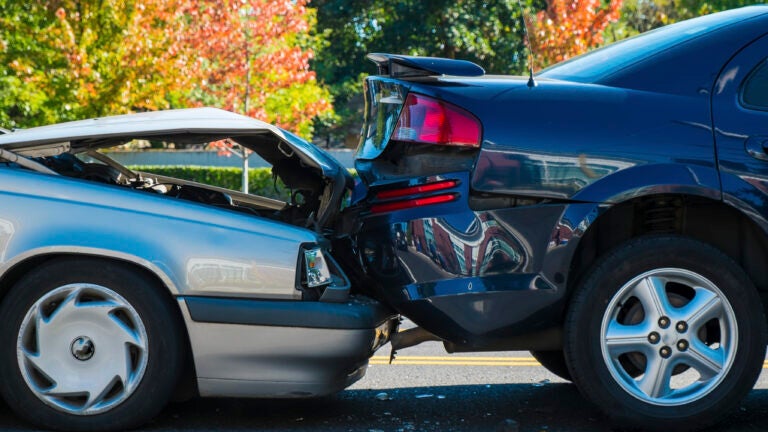
According to a new study from the Insurance Institute for Highway Safety (IIHS), front crash prevention systems have the potential to significantly reduce rear-end crashes and prevent injuries. Front crash prevention systems include those which warn the driver of an impending crash and automatic braking systems that actually stop the car without driver action.
IIHS conducted the first study of front crash prevention’s effectiveness based on police-reported crash data from 2013.
The report found if all vehicles had been equipped with automatic braking technology there would have been 700,000 fewer rear-end crashes reported by police in 2013. Rear-end crashes made up about 13 percent of all police-reported crashes.
In a statement, IIHS chief research officer David Zuby said the study shows that front crash prevention systems “represent a big step toward safer roads.’’
“As the technology becomes more widespread, we can expect to see noticeably fewer rear-end crashes,’’ said Zuby. “The same goes for whiplash injuries that often result from these crashes and can cause a lot of pain and lost productivity.’’
IIHS found vehicles equipped with automatic braking technology see a 40 percent reduction in rear-end crashes. Meanwhile, vehicles with only forward collision warning see a 23 percent reduction in rear-end crashes.
The institute also conducted a separate review of City Safety, the standard low-speed autobraking system offered by Volvo and found City Safety-equipped vehicles saw a 47 percent reduction in rear-end crashes.
The study did not consider cases where the vehicles were struck from behind because front crash prevention is not designed to prevent such crashes.
Story continues after gallery
The safest vehicles of 2016
[bdc-gallery id=”1431181″]
Safer cars mean fewer, less severe injuries
The study also found the technology has the potential to reduce injuries from rear-end crashes. The injury rate from rear-end crashes for vehicles equipped with forward collision warning decreased by 42 percent.
IIHS spokesperson Russ Rader pointed out that the police data collected did not specify what types of injuries were incurred in the crashes. However, neck injuries associated with whiplash are the most common kind.
The study found vehicles equipped with only forward collision warning saw a six percent drop in injuries from rear-end crashes, but IIHS notes this is not a statistically significant finding.
Will the technology become more widespread?
Last year, the U.S. Department of Transportation announced it will start to consider automatic braking technology as part of its criteria for the National Highway Traffic Safety Administration’s 5-Star Safety Rating System for vehicles beginning in model year 2018.
In September, the Traffic Safety Administration and IIHS announced an agreement with 10 automakers to make automatic braking a standard feature on all new vehicles.
Rader recently told Boston.com that automatic braking technology is available on about one quarter of all new vehicle models. Based on the results of the recent IIHS study, he predicts more automakers will adopt the technology on their vehicles.
“It’s another piece of important evidence that supports the need to make automatic braking standard equipment,’’ said Rader in a phone interview.





To comment, please create a screen name in your profile
To comment, please verify your email address
Conversation
This discussion has ended. Please join elsewhere on Boston.com