
Clean diesel vehicles will likely survive Volkswagen scandal
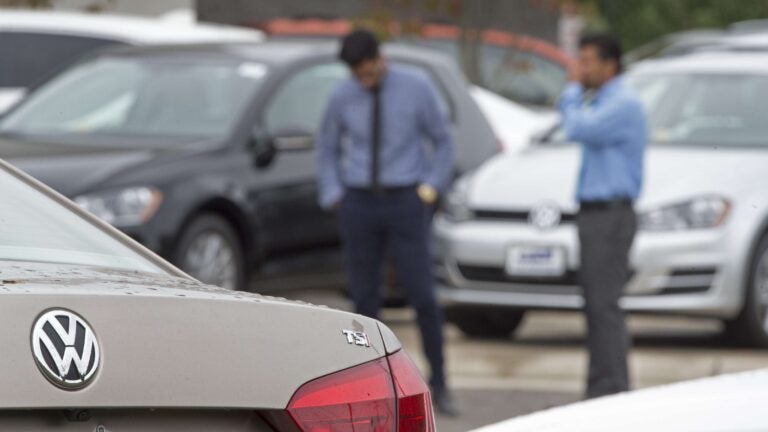
Last month, Volkswagen acknowledged that it equipped millions of vehicles worldwide with software that can deceive U.S. environmental regulators, allowing its diesel engines to pump out much higher levels of nitrogen oxide emissions than the feds allow.
The scandal, which has been dubbed “dieselgate,’’ has cost Volkswagen AG about $26 billion in market value so far. The German automaker has also set aside an additional $7.3 billion to repair the damage.
Dr. Sinan Erzurumlu, an associate professor of technology and operations management at Babson College, predicts the costs to Volkswagen will rise even further.
“It shows a very unethical face of the organization,’’ said Erzurumlu in a phone interview. “There will be more ripple effects down the road for them.’’
Consumer Reports, which has suspended its “recommended’’ rating for two Volkswagen vehicles, the Jetta and Passat diesel options, summarized the cost of the scandal for VW diesel owners, too:
An inevitable recall to make these vehicles emissions-legal may have effects on the reliability, performance, and fuel economy of these cars, and there are questions about potential diminished resale value because of TDI’s tarnished reputation.
But what about the so-called “clean diesel’’ market overall? Volkswagen has been a major player, but by no means the only one. Will its competitors suffer for its bad behavior, as a Road & Track article titled “Why Diesel Needs to Die’’ argues they should?
Erzurumlu doesn’t think so.
“If Tesla messed up right now… I don’t think it would change people’s approach to electric vehicles,’’ he said. “The companies are only hurting themselves with these actions.’’
Erzurumlu believes eco-conscious consumer demands are becoming more mainstream, meaning diesel engines that emit less CO2 than traditional gas engines could continue to gain in popularity (a popularity he says Volkswagen will almost certainly miss out on now).
A 2013 survey from Consumer Reports adds some weight to that argument. The survey shows car buyers are seeking more fuel-efficient vehicles, with more than half (52 percent) of respondents saying they were interested in better fuel economy for environmental reasons. However, most respondents (79 percent) were interested in saving money on fuel.
But Bruce M. Belzowski, managing director of the Automotive Futures Group at the University of Michigan Transportation Research Institute, says because Volkswagen has for years been a “market leader’’ in the U.S. clean diesel market, overall sales of clean diesel vehicles may also take a hit.
“This is big problem for diesel sales in the U.S. in the short term,’’ said Belzowski. “But many other automakers have come out with and are planning diesel versions of their vehicles in the near future, and if they are tested and certified by EPA – and if VW quickly cleans up the problems they have caused with their vehicles – clean diesels may yet survive.’’
Belowski, whose lab determined that diesel vehicles offer a lower cost of ownership in the long run, shared some non-Volkswagen options.
Clean diesel cars that aren’t Volkswagens:
[bdc-gallery id=”1424458″]





To comment, please create a screen name in your profile
To comment, please verify your email address
Conversation
This discussion has ended. Please join elsewhere on Boston.com