
Yes, Boston traffic delays are as bad as they seem
According to a new report by the Texas A&M Transportation Institute
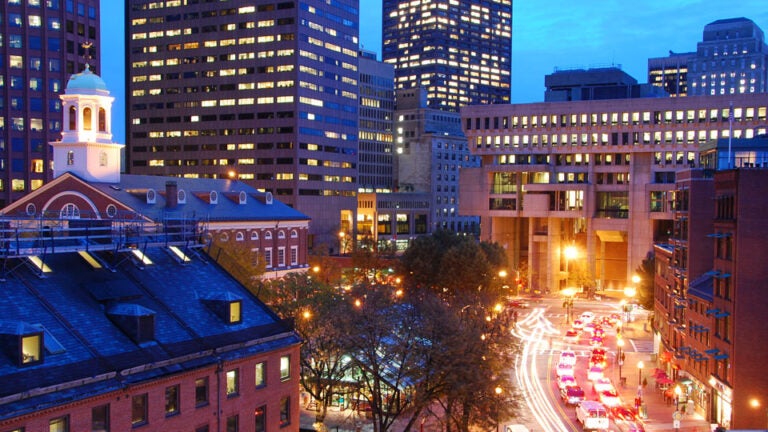
If you feel like your daily commute is taking longer than usual, rest assured: you are not crazy.
Traffic congestion across the country is on the rise, according to a new report by the Texas A&M Transportation Institute. And in 2014, Boston traffic delays were well above the national average. In Boston, drivers saw roughly 4.9 hours of gridlock per day in 2014.
But that may actually be a good sign for Boston’s economy, as researchers working on the 2015 Urban Mobility Scorecard said resurgence of the economy is to blame for the traffic, with more employees driving to work and clogging the roads.
“In the past year or two, if transportation is a sign of economic recovery, than most areas are either recovering or recovered,’’ said David Schrank, one of the research scientists at Texas A&M Transportation Institute who worked on the report.
What’s the damage?
In Greater Boston, the area’s 1.7 million commuters were delayed in traffic by an average 64 extra hours in 2014, up from 59 extra hours spent in 2009 at the height of the recession. That means Boston commuters have the sixth highest amount of extra hours in the country, and are spending as much time on the road as they were in 2007. The national average for 2014 was 42 hours of delays.
The cost of all those Americans idling (other than a bad mood) adds up to more than 3 billion gallons of wasted fuel and 7 billion hours sitting in traffic per year.
Is there an end in sight? According to Schrank, not any time soon. “I think at least in the near future, the trend will remain upward, meaning more congestion,’’ he said. “There’s no large pots of money available for transportation agencies to have significant projects underway, so they’re whittling away at projects with smaller amounts of money available and trying to get the biggest bang for their dollars spent.’’
Story continues after gallery.
Decades of Boston cars (and traffic jams):
[bdc-gallery id=”1430392″]
For Boston, Schrank said this means spending more money on operating current systems more efficiently. “You’re seeing more message signs giving drivers more information, more tech being used trying to detect and deal with traffic incidents in more efficient ways in addition to widening, constructing and building more facilities,’’ he added.
Drivers can cut back on their hours in the car by utilizing Boston’s public transportation, or working out an arrangement with their managers to have flexible hours or telecommute.
Schrank pointed out that alternative working arrangements might become more common as traffic congestion worsens.
“In the future, there will probably be more done on that demand side than on the supply side because agencies just don’t have the money necessary to deal with the supply side on large-scale levels,’’ he said.



To comment, please create a screen name in your profile
To comment, please verify your email address
Conversation
This discussion has ended. Please join elsewhere on Boston.com