
Study: Diesel vehicles offer better savings in the long run
A new report shows diesel-powered cars can offer consumers major savings in the long run.
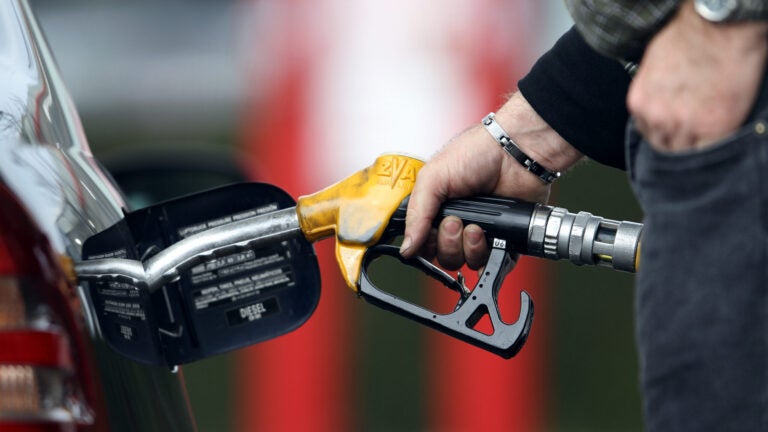
While they might be more expensive to buy or lease, diesel powered vehicles can save consumers thousands of dollars over several years of ownership, according to a new study.
University of Michigan Transportation Research Institute’s (UMTRI) Automotive Futures managing director Bruce Belzowski tracked thousands of vehicles sold at auction between 2012 and 2013, looking for gas and diesel versions of the same or almost identical models, including cars, SUVs, and pickups.
Belzowski’s findings indicate the majority of consumers who opt for a diesel vehicle over its gas counterpart can save between $2,000 and $7,000 during a three to five-year period.
“Though there are some exceptions … the overall direction of the results supports the idea that diesel vehicles are competitive within the U.S. market,’’ Belzowski said in a statement.
“In particular, the idea that buyers can get a return on their initial higher investment in a diesel vehicle within three years is a very positive sign considering new buyers tend to own their vehicles for an average of three-to-five years,’’ he said.
Story continues after gallery
Major differences in diesel and gas total cost of ownership
[bdc-gallery id=”1420611″]
According to Belzowski’s research, diesel vehicles can have a much lower cost of ownership, which includes the costs of depreciation, fuel costs, maintenance, repairs, insurance, and taxes.
New diesel vehicles can cost more than their gasoline counterparts, by anywhere from a few hundred to several thousand dollars. But according to the UMTRI study, the resale value of diesel cars and SUVs are 30 to 50 percent higher than their gas counterparts. Medium-duty pickup trucks have resale values 60 to 70 percent higher than gasoline versions.
It also costs less to refill a diesel vehicle, according to Belzowski’s research. The cost of diesel fuel can be 12 to 27 percent less than for passenger cars and SUVs, and 4 to 8 percent less for medium-duty pickup over three to five year periods.
While the combined costs of insurance, vehicle repairs, maintenance, taxes and fees tend to be higher among all diesel models, the lower depreciation values and lower fuel costs for diesel vehicles can lead to an overall lower cost of ownership.
The UMTRI study looked at a sample of 28,239 vehicles sold by Manheim auctions between 2012 and 2013. This most recent report has been updated from a 2013 original to reflect greater availability of diesel models and incorporate different vehicles’ trim levels.
“Luxury brands have lots of different trim levels that can have a big effect on price levels,’’ said Belzowski in a phone interview with Boston.com. “In our analysis, we broke those trim levels into High, Medium and Low… They didn’t change the data dramatically, but instead slightly by a few hundred dollars.’’
“What we’re trying to do is continuously improve and refine our analysis as best we can determine to accurately reflect the vehicle population,’’ he told Boston.com.
In order to maintain their cost-of-ownership benefit for consumers, Belzowski says diesel vehicles must be able to maintain their fuel economy if the cost of diesel fuel increases. He points out that automakers of both gas and diesel vehicles are required to improve their fuel economy under the federal law in the next few years.
“This is particularly important because both gasoline and diesel-powered vehicles must improve their fuel economy as required by [the] Corporate Average Fuel Economy regulations for 2020 and 2025,’’ he said. The Corporate Average Fuel Economy (CAFE) was first passed by Congress in 1975 with the aim of reducing energy consumption by improving fuel economy in cars and light trucks.
“But diesel-powered vehicles will continue to provide significant value to their owners through their total cost-of-ownership advantage over their gasoline-powered counterparts, and they will play an increasingly important role for manufacturers as fuel economy regulations become increasingly strict.’’



To comment, please create a screen name in your profile
To comment, please verify your email address
Conversation
This discussion has ended. Please join elsewhere on Boston.com