
Young Drivers Should Look Beyond a Car’s Price
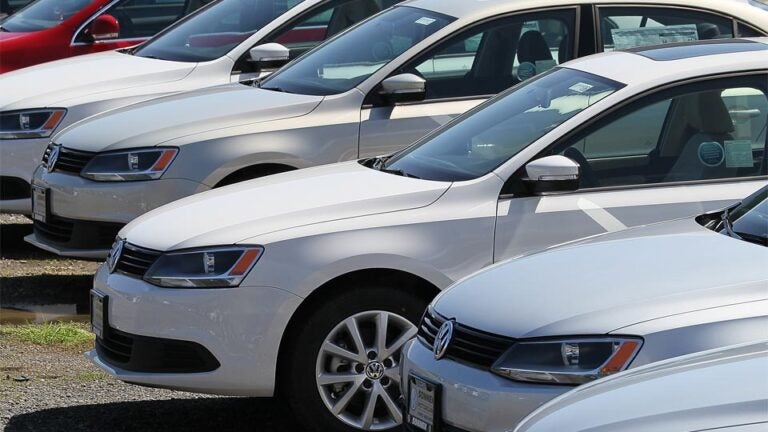
As a young driver looking for your first car, you might be preoccupied with looking for the cheapest deal. And they are out there, as these 36 vehicles that can be financed for less than $300 per month show.
[bdc-gallery id=”1425794″]
But while affordability is an important factor for many, Boston.com talked to car experts who suggested other considerations specifically for young drivers. Features like fuel economy, safety, and dependability should also be considered when looking for your first car, they said.
Safety
“Sometimes taking over grandma’s car might sound like a good idea, but if it’s a 15-year-old Buick, it might not have new safety features,’’ said AAA Southern New England public affairs manager John Paul.
Cars manufactured within the last five to 10 years are more likely to have safety features like side airbags, anti-lock brakes, stability control, and traction control, Paul said. If you’re considering buying used, Paul suggested buying a later model.
Safety features are particularly important for drivers between the ages of 16 and 19, who have the highest average annual crash rates than any other age group, according to the National Highway Traffic Safety Administration (NHTSA). To check how safe a car is before leasing or buying it, Features Editor for Edmunds.com Carroll Lachnit recommended that drivers check its safety grading with the NHTSA or the Insurance Institute for Highway Safety.
Dependability
Young drivers often want their first car to be dependable, since many might not have the income to buy another vehicle for a few years.
Much like safety features, dependability becomes less of a concern with newer car models, Paul said. “High mileage cars can be more trouble prone, but today’s cars can go a lot further,’’ he said. “One hundred thousand miles doesn’t have to be a huge deterrent.’’ If you’re considering buying a used car, “Just get it inspected,’’ Paul added.
Maintenance
If you don’t trust yourself to keep up with car maintenance, Kelley Blue Book Managing Editor Matt DeLorenzo said most new cars require very little up keep. “The only thing really to keep up with is getting an oil change regularly,’’ DeLorenzo said. That should generally be done every 5,000 to 7,500 miles. “Most other stuff is trouble free.’’
Parking
While smaller cars generally can’t protect people in crashes as well as bigger, heavier models, city-dwellers should consider the difficulty of parking an SUV or larger sedan. “If you’re a millennial in Boston, a small car like a Honda Fit or Nissan Versa are really great cars from a parking perspective,’’ DeLorenzo said.
Insurance
“Anything in the sporty category ––Mustangs, Camaros – unfortunately, they hold more appeal for young people, but they’re going to be more expensive to insure,’’ Paul said. Drivers should consider which cars wouldn’t break the bank to insure “There can be a dramatic difference between insuring a 5-year-old Volvo and a 5-year-old sports car,’’ he added.
If you’re leasing a car, your insurance fees might be higher than if you were buying a vehicle since you have higher levels of coverage, Lachnit said. But that shouldn’t entirely deter you from leasing, she added.
“You might get a break from an insurance company if the car has advanced safety features,’’ Lachnit said. “And depending on the personal history of the driver, if they’re still in college and get good grades, the ‘Good Student Discount’ still applies.’’
Fuel Economy
Gasoline is relatively cheap right now, but cars with better fuel economy can save drivers quite a bit of money over time. While the MPG of a 2015 Chevrolet Colorado 2WD is 26, the MPG for a Honda Fit is 41 for highway drivers.
While the cost of gas should be factored in when looking at cars, Paul said most modern cars are far more fuel efficient than older cars, so fuel economy doesn’t matter as much as it used to in most cases. “And if you’re only driving 7,000 or 8,000 miles per year, it isn’t going to make a huge difference anyway,’’ Paul said.
The bottom line is? Getting your first car doesn’t have to be an overly expensive venture, and drivers should consider other factors.




To comment, please create a screen name in your profile
To comment, please verify your email address
Conversation
This discussion has ended. Please join elsewhere on Boston.com