
Beware of Rusty Brakes This Spring
Salt used on roads can corrode car brakes, safety regulators warn.
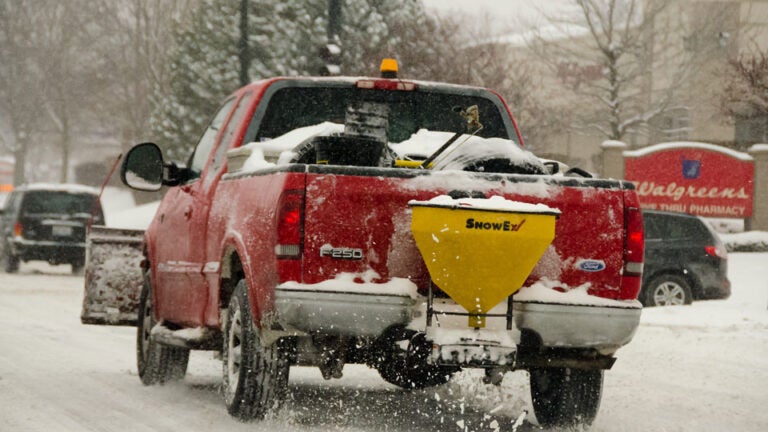
If you live in Massachusetts and drive an older car (2007 models and earlier), you might want to get your brakes checked before hitting the roads this spring.
On Thursday, April 9, U.S. safety regulators warned drivers in “Rust Belt’’ states, where salt is used to melt snow and ice on roads, to get their brake pipes checked for corrosion.
The warning stems from National Highway Traffic Safety Administration (NHTSA) research that investigated whether rusted brakes were a safety defect for roughly 2 million General Motor trucks and SUVs. While the NHTSA announced that they would not recall GM cars from 1999 to 2003, they advised “Rust Belt’’ drivers with models predating 2007 to wash their cars regularly and have their brake systems inspected in cold weather.
If ignored, severe brake pipe corrosion can lead to a car accident.
[fragment number=0]
The advisory applies to cars of any manufacturer, and relates to the use of a zinc-aluminum alloy commonly used to coat brake systems before 2007. The alloy was found to corrode from winter road salt more easily than the nylon and plastic coatings that are used more frequently today.
Half of all U.S. states fall within the Rust Belt, and with an average U.S. car age of 11 years old, the advisory affects millions, regulators said.
If the snowiest winter in Boston history doesn’t motivate you to get your brakes examined, just remember that Massachusetts used about 600,000 tons of salt this winter.
Check here to see whether you live in a state that uses road salt.




To comment, please create a screen name in your profile
To comment, please verify your email address
Conversation
This discussion has ended. Please join elsewhere on Boston.com