
Newsletter Signup
Stay up to date on all the latest news from Boston.com
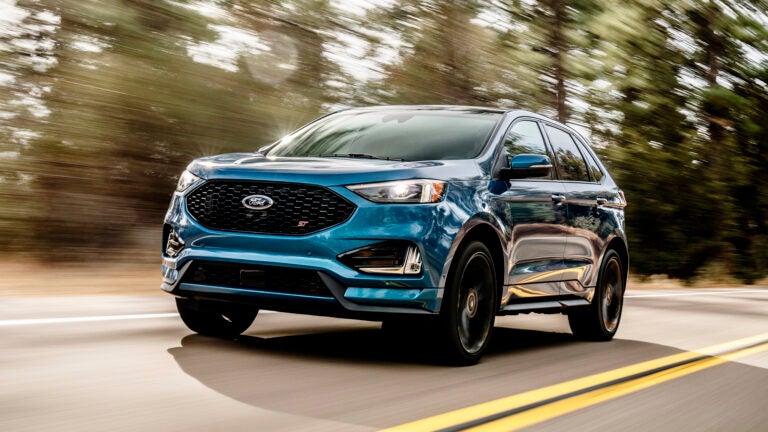
Q. I lease a 2020 Ford Edge ST with 24,000 miles. My lease started in September 2020 which means it is up this September. I have a tapping noise which I believe is coming from the lifters. The drive train warranty is still in effect. Given the low mileage and the current status of used cars, I was planning on purchasing this vehicle at lease end. I could not find any recalls or service bulletins on this. Do you feel this would be a deterrent for me to purchase this vehicle or would you know of any recalls?
A. This issue is usually caused by sticking components in the variable valve timing system. The problem does sound like noisy lifters – especially after sitting for six hours or more. At this point I would leave the car at the dealer so they can start it cold the next day. Once they hear the noise, they should be able to repair it. Once it is repaired, I would have no problem buying the car at the end of the lease.
Q. I drive a 2016 Nissan Maxima and when the temperature dips below freezing my dashboard warning system turns on that one or more of my tires needs air. Once the temperature warms up, it shows normal pressure. It isn’t always the same tires, but it does happen regularly.
A. Tire pressure drops when the temperature is colder and expands as the tires and air temperature warm up. The first thing to do is to properly inflate the tires when the temperature is cooler. Also keep in mind that tire pressure drops about one pound for every 10 degrees change in temperature. If the tires were properly inflated at 70 degrees and the temperature drops to 30 degrees, the tire pressure could go from 32 PSI to 28 PSI. Also tires will lose about one pound of air per month. So if the last time the tires were checked was in September the tire could be underinflated a few pounds. Add in the temperature change, and the difference can be enough to turn the TPMS light on.
Q. I own a 2018 Ford Escape SE with an EcoBoost 4-cylinder engine. The vehicle has almost 60,000 miles. The start/stop technology has not worked for a while. The vehicle runs fine in every aspect with the exception of this. At traffic lights, the engine no longer stops then starts when my foot is off the brake. When I brought it to the dealer for regular service, I mentioned this and after they looked at it. They thought that since the battery was more than a couple of years old, that could be the issue. The vehicle starts right away with no hesitation even in cold weather, so I question the weak battery suggestion. Do you have any thoughts on a possible solution?
A. Stop/start technology will only work under certain conditions. Those conditions include engine temperature, engine load, and battery voltage. It is possible that the battery voltage is low enough (limited driving and short trips) that the system is keeping the engine running to charge the battery. At five years old, the battery could be nearing the end of its useful life and a replacement may be money well spent.
Q. I recently ordered a 2023 Lexus NX 350h and was curious about an option that enables the car to tow a 2,000-pound trailer. The option costs $160 and I wonder what adjustments are made to the car to increase its towing power? Will this adversely reduce gas mileage?
A. Generally, when a tow package is selected the manufacturer upgrades the radiator and engine/transmission cooler. In some cases, the brakes are also upgraded. In the case of the Lexus NX 350, according to the Lexus website all models of the NX are capable of towing up to 2,000 pounds. It may be that the $160 option is a trailer prep package which may be nothing more than wiring and a hitch. Even if the tow package includes upgrades to brakes, transmission, and engine cooling, it won’t affect fuel economy.
Q. I have a 2005 Toyota Corolla with 88,545 miles. Last year I replaced the catalytic converter, radiator, and front brakes. This year when I step on the brake I hear a squeaking sound. The repair man said I’m missing the brake dust shield. He said the part is not expensive, but the labor is. Is it time to let the car go, or keep putting money into it?
A. Replacing the brake dust shield requires removing the hub/bearing, brake caliper, and rotors. I would go back to the shop that did the front brake repair. I have seen two-piece dust shields for some models that don’t require the hub to be removed. Also, some shops will simply cut a portion of the replacement shield to get it into place, saving time and money. If the brakes were replaced one year ago and the dust shield is rusted out, it should have been replaced at that time. If your Corolla is structurally sound at 18 years old with only 88,000 miles, it should have plenty of mileage left in it, and is likely worth repairing.
John Paul is AAA Northeast’s Car Doctor. He has over 40 years of experience in the automotive business and is an ASE-certified master technician. E-mail your car question to [email protected]. Listen to the Car Doctor podcast at johnfpaul.podbean.com.
Stay up to date on all the latest news from Boston.com





To comment, please create a screen name in your profile
To comment, please verify your email address
Conversation
This discussion has ended. Please join elsewhere on Boston.com