
Will my favorite Volvo come in a hybrid model?
John Paul, AAA Northeast's Car Doctor, answers a question from a reader who would prefer an XC40 as a hybrid.
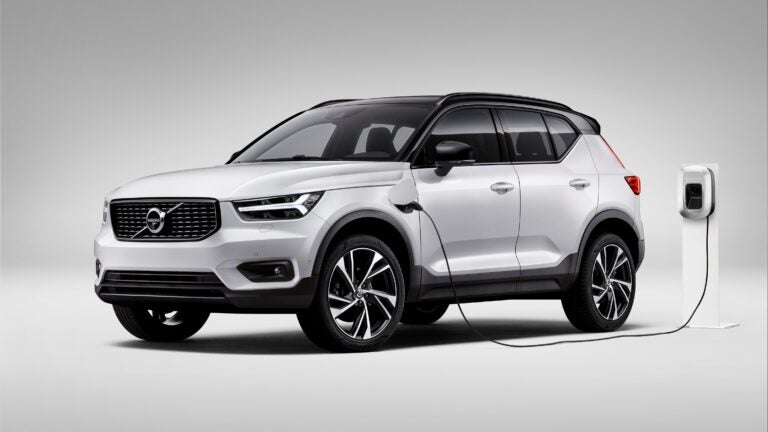
Q. I love the Volvo XC40. I know Volvo is soon coming out with an all-electric version but I’m more interested in a hybrid for my next purchase. Is there (or will there be) an XC40 hybrid in Europe? Does Volvo have any plans to sell the hybrid in the U.S.? A. A hybrid can be a nice compromise between a conventional engine and a pure electric vehicle. I did find a news release on Volvo’s media website that confirms there will be a hybrid XC40. Here is an excerpt from the site: “Volvo Cars is significantly expanding the number of its 48-volt mild-hybrid powertrain options, making these engine options available on every single Volvo model.” A mild hybrid is more of a helper motor, rather than a true electric motor, running in conjunction with a gasoline engine. According to Volvo, a mild hybrid will save about 15 percent of overall fuel costs over a conventional internal combustion engine. Q. I have a 2014 Toyota RAV4. The battery is the original and I’ve been told I’m due for a new battery. What battery do you recommend?A. When shopping for a battery there are a couple of key factors to look at. Batteries are rated in cold cranking amperes and reserve capacity. The battery in your RAV4 is listed as having 380 CCA, so you would want a battery that has at least that capacity. The other piece of the puzzle is warranty. If you are keeping the car for several more years you want a robust warranty. As an example, the AAA battery that fits your RAV4 has a rating of 650 CCA, can be installed at your home for $160, and has a six-year total warranty with three years of free replacement. Q. Recently I purchased a 2017 Lexus NX 200t. The owner’s manual calls for premium gas. Online I read that regular gas can be used occasionally. Another site said that regular gas could be used all the time, although you would lose some power and gas mileage with regular gas. The engine would not be hurt because the car’s computer would compensate for the type of gas. What do you think? A. Generally, vehicle manufacturers will state that their engines are designed to run on regular or premium fuel. When premium fuel is used the manufacturer will either recommend premium or require premium fuel. Lexus is a bit vague. This is from the vehicle’s owner’s manual: “You must only use unleaded gasoline in your vehicle. Select premium unleaded gasoline with an octane rating of 91 or higher required for optimum engine performance and fuel economy. If the octane rating is less than 91, damage to the engine may occur and may void the vehicle warranty”. This makes it sound as if you must use premium fuel, but then they go on to say, at minimum, the gasoline you use should meet the specifications of ASTMD4814 in the U.S. This last statement adds a bit more latitude. If this were my car, I would use premium and enjoy the extra performance and fuel economy. Q. I often rent cars when on trips and have noticed that the tires are always severely over inflated — up to 60 PSI in some cases. I imagine the rental companies do this to save tire wear, but is this a safety issue? Should I travel with a tire gauge or just wait for an accident and a nice legal settlement?A. I suspect that the tire inflation has nothing to do with tire wear but more just to eliminate comebacks with tire pressure warning lights. Personally, I do travel with a tire gauge and have been known to check rental car tires.
John Paul is AAA Northeast’s Car Doctor. He has over 40 years of experience in the automotive business and is an ASE-certified master technician. E-mail your car question to [email protected].





To comment, please create a screen name in your profile
To comment, please verify your email address
Conversation
This discussion has ended. Please join elsewhere on Boston.com