5 things to know about the future of mobility
Getting there from here.
Boston.com Cars is your go-to resource for coverage of local car news, events, and reviews. In the market for a car or truck? Check out our new car specials and used car specials curated by our local dealer network.Boston has lots of traffic. If you’re unlucky enough to fight it during rush hour or a snowstorm, then you know firsthand how challenging it is to make it through the city’s often narrow, haphazard streets. Sure, there have been projects galore to improve traffic flow, but streets made to handle the horse and buggy are less than ideal for today’s transportation needs. The future of mobility in Boston (and all large cities) needs to adapt and change to overcome the challenges of increased congestion.At the Movin’ On with Michelin conference in Montreal, Canada, speakers from around the world addressed the challenges of our future mobility. It’s not about flying cars, although that would be undeniably cool, but about addressing the needs of varied people using our increasingly tech-savvy and efficient vehicles.Dr. Suvit Maesincee, Vice Minister of the Prime Minister and Adviser of the Minister of Finance of Thailand, talked about the struggles his country faces. It might not seem like Boston has a heck of a lot in common with Thailand, but there are similar mobility challenges no matter where in the world you call home.

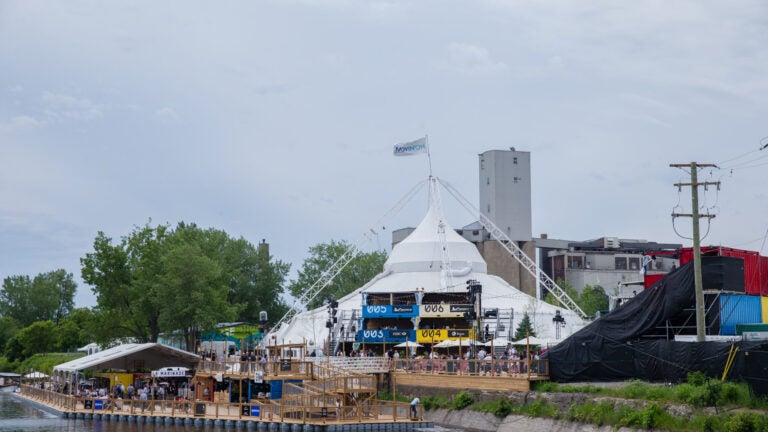
Cars and more: One of the many possibilities for future mobility.
He discussed five global forces that cities need to understand if they are to effectively plan for the future:
- You may live in Boston or Chelmsford or Worcester, but the city you call home doesn’t define the limits of your world. Globalization, the movement of people and money from one area of the world to another, is now a part of our everyday lives. We travel for work and pleasure and enjoy products and services with origins far outside Massachusetts and even the U.S. This globalization of our daily lives includes the transfer of ideas and information. Learning from the experiences of other cities will lead to faster and more effective changes in our own.
- Increased urbanization is also changing how we get around. Not too long ago, if you needed a ride and didn’t have a car, then you hailed a taxi. Now there are ride-sharing services like Uber and Lyft along with personal cars and those good old taxis. Ride-sharing is also gaining traction, and it often means driving some of the most efficient cars on the road, especially electric vehicles. This calls for a whole new infrastructure. Gas stations outnumber charging stations today, but the number of charging stations across the country is steadily increasing to meet growing demand.
- The tiny computers we all carry in our back pockets also figure into the future of mobility. Digitization means we are constantly connected to each other and the world. You don’t need a paper map when your smartphone does the job and if you need a ride, it’s not about making a phone call anymore. Instead, open an app, and a ride will show up wherever and whenever you request one. Increased connectivity makes it easier to serve the mobility needs of a city with fewer, more well-placed resources. Cities need to leverage this connectivity to better serve all residents.
- The digitization of our lives also means more individualization. Not only can we hail a ride more easily to serve our personal needs, we also have access to more information and opinions about where we should go and how we should get there. The challenge is not all those opinions are informed. Social media gives everyone a platform regardless of their expertise. The consideration of expert opinions along with the personal desires and expectations of individuals needs to be weighed as cities devise mobility solutions for the masses.
- Harmonization, which is harmony with our world, means what we do as individuals has far-reaching effects. Cities need to make choices that benefit their residents and the world as a whole. This includes considering not solely economics, but the environmental and quality of life impact of city planning. Fuel-efficient vehicles, the networks to sustain them, and the accessibility and affordability of transportation options for everyone are all a part of the future of mobility.
Transportation has changed since the days of the horse and buggy and our streets are full of increasingly efficient and technologically advanced cars. The future of mobility involves finding a way to embrace those new technologies and successfully incorporate them into our daily lives.Nicole Wakelin is a contributor to BestRide.com and CarGurus.com; she can be reached on Twitter @NicoleWakelin.